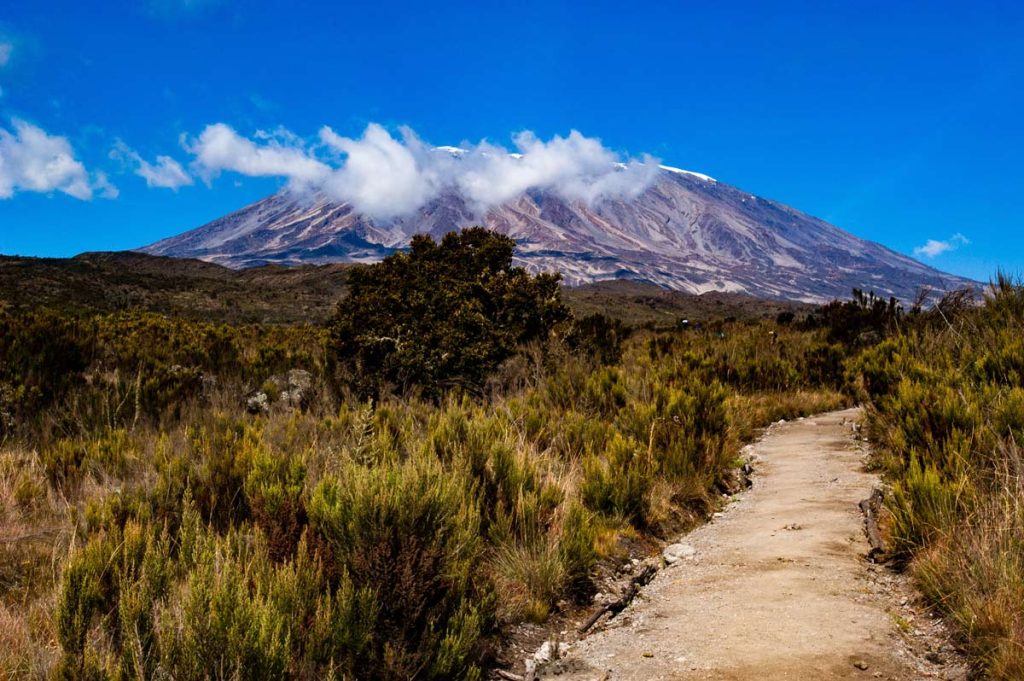
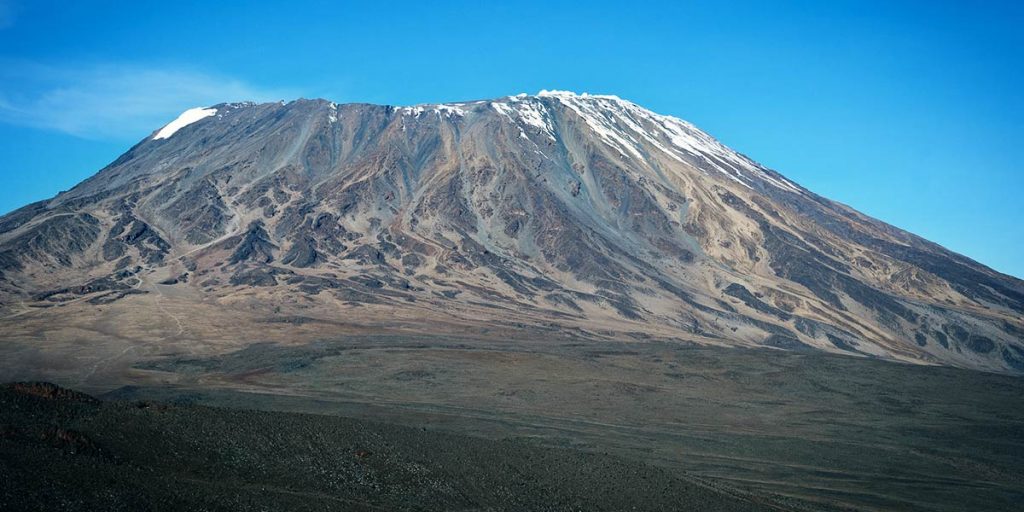
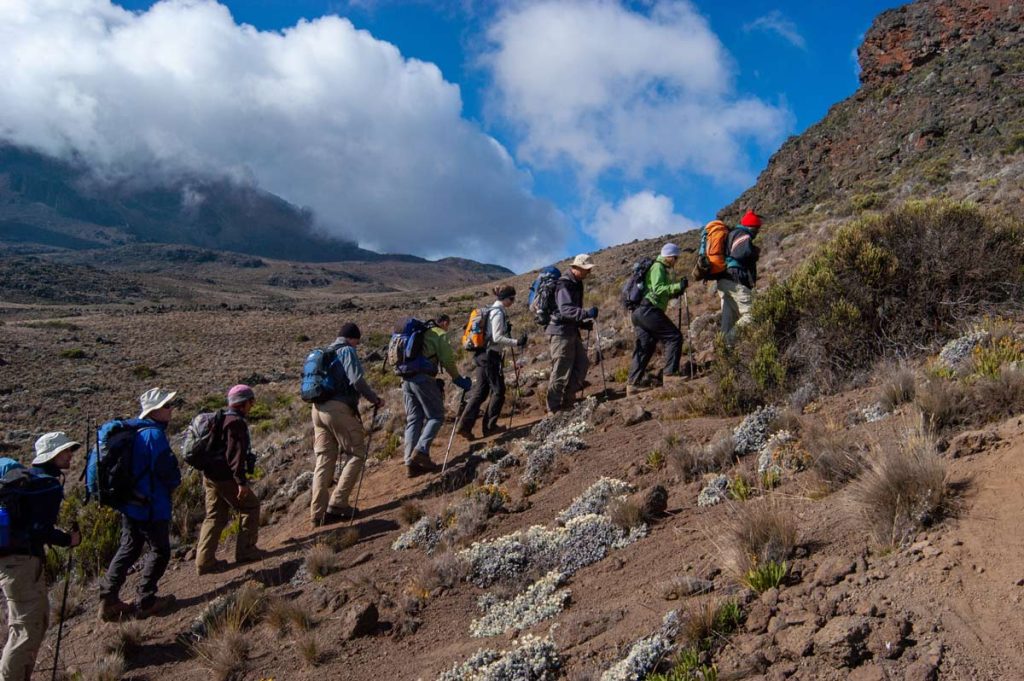
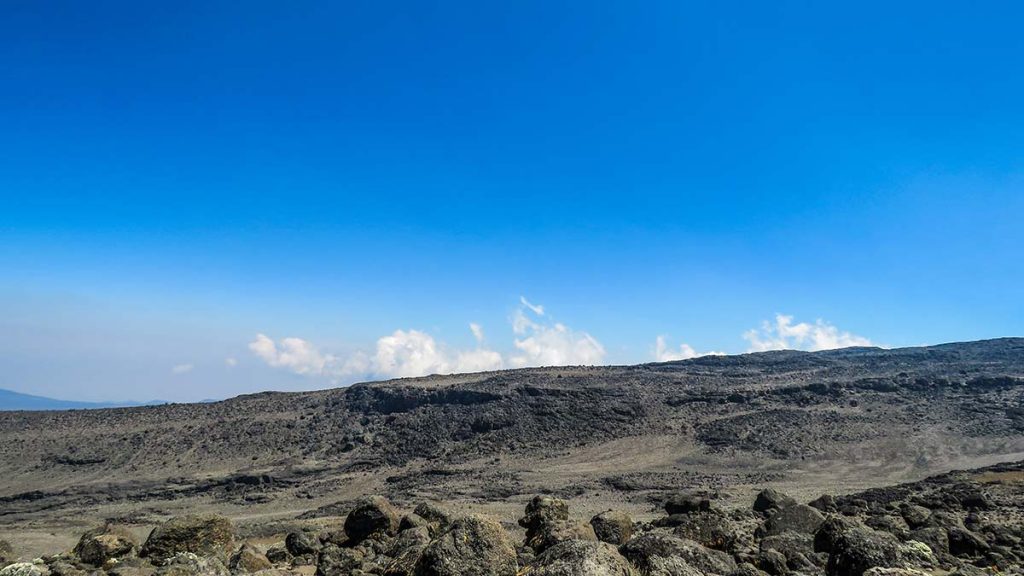
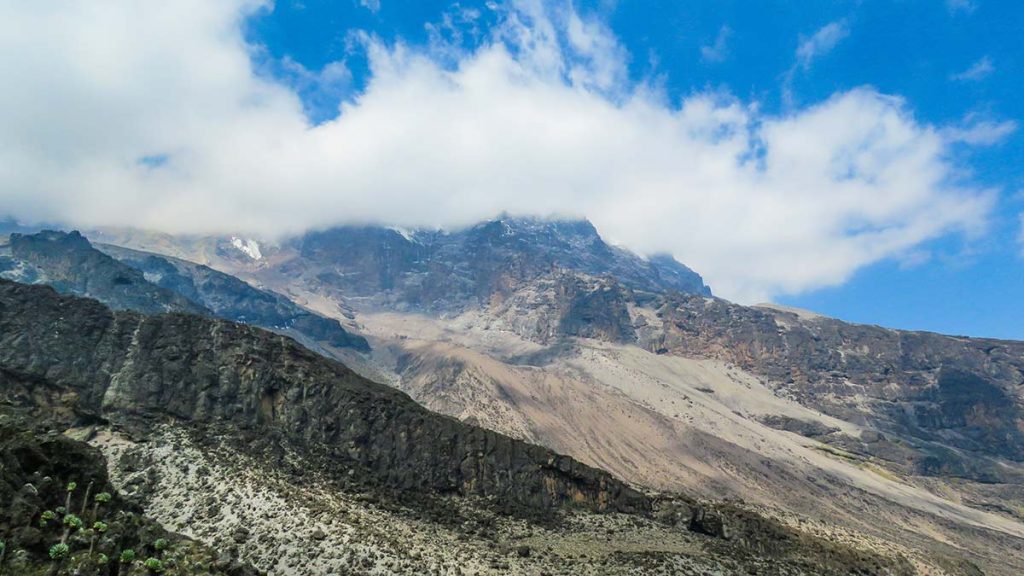
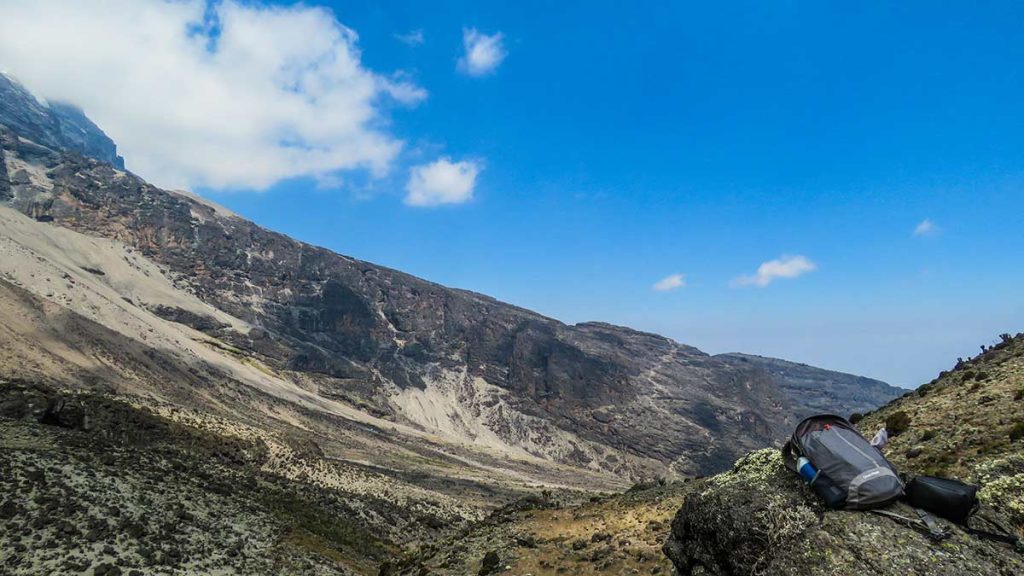
At 5,895 metres, Mount Kilimanjaro is the highest mountain in Africa and the world’s tallest free-standing mountain. Its snow-capped summit, Uhuru Peak, rises above the plains of northern Tanzania and can be reached without technical climbing skills, making it one of the world’s most popular high-altitude treks.
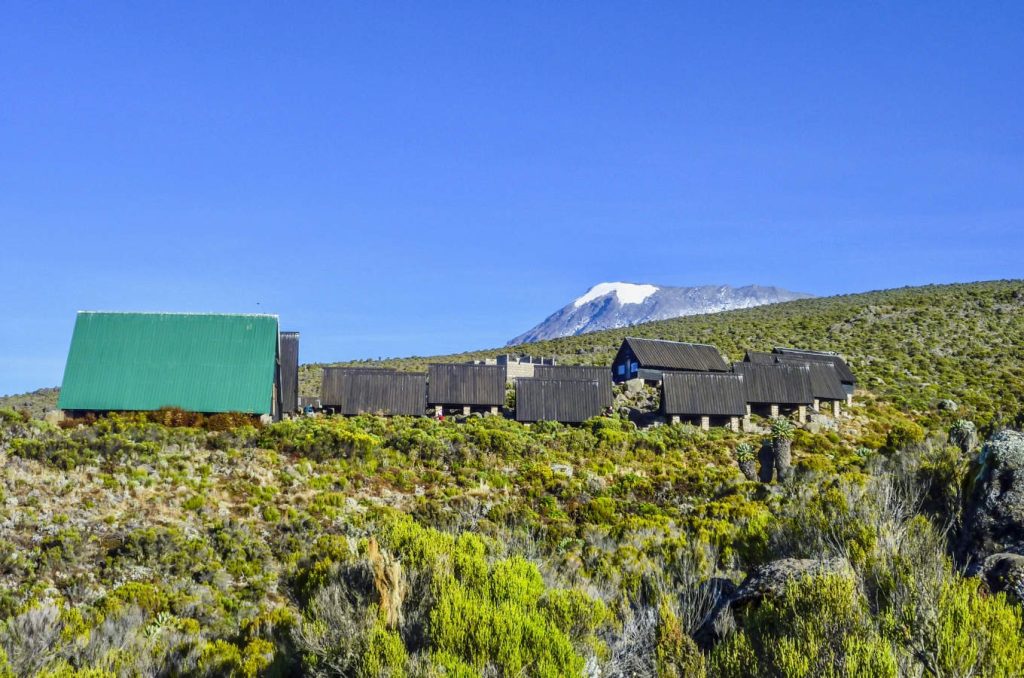
A climb passes through five distinct zones, from cultivated farmland and lush rainforest, home to colobus and blue monkeys, through heath and moorland with giant groundsels and lobelias, to the stark alpine desert and finally the glaciers and ice cliffs of the summit.
Licaon Safaris offers climbs on the Marangu, Machame, Lemosho, Rongai and Umbwe routes, from 5 to 9 days. Longer itineraries give your body more time to acclimatise and significantly improve your chances of reaching the top.
Fly into Kilimanjaro International Airport (JRO), under an hour from Moshi, the base town for most climbs.
From Moshi or Arusha, the park gates (Marangu, Machame, Londorossi, Rongai and Umbwe) are between 30 minutes and 4 hours away, depending on the route.
Explore popular animals that easy found on this world-class destinations
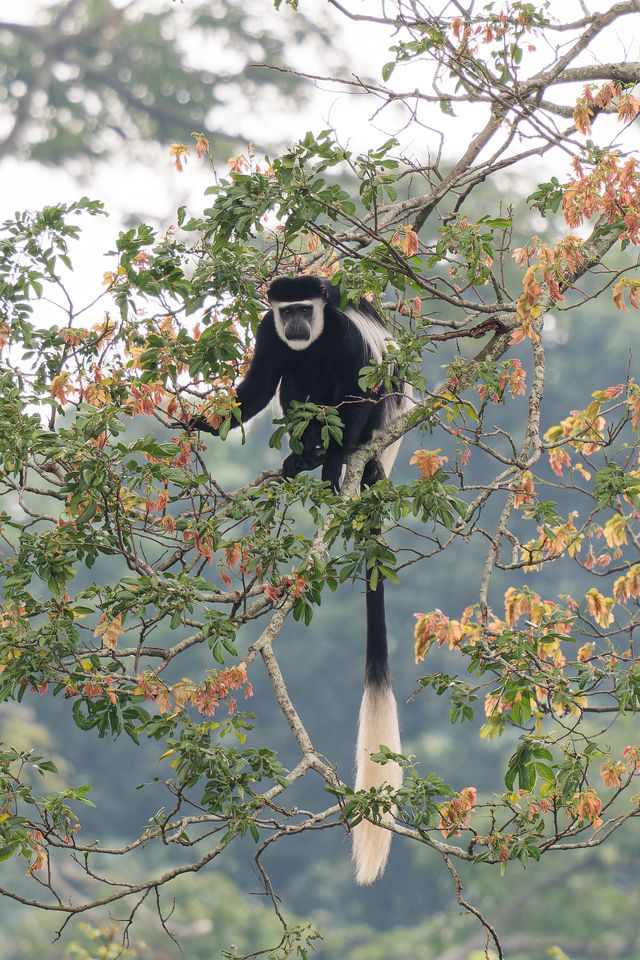
Colobus guereza
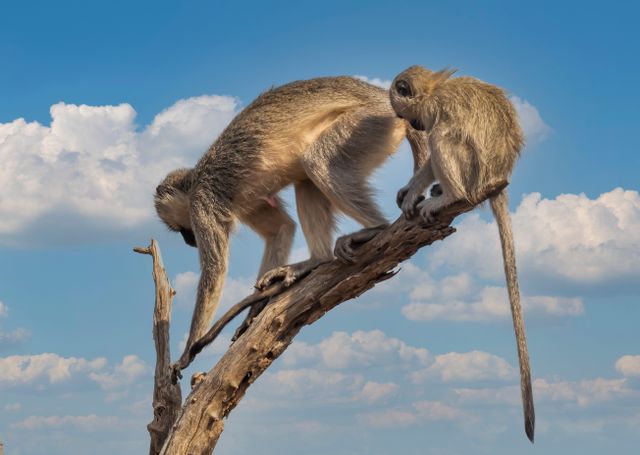
Cercopithecus mitis
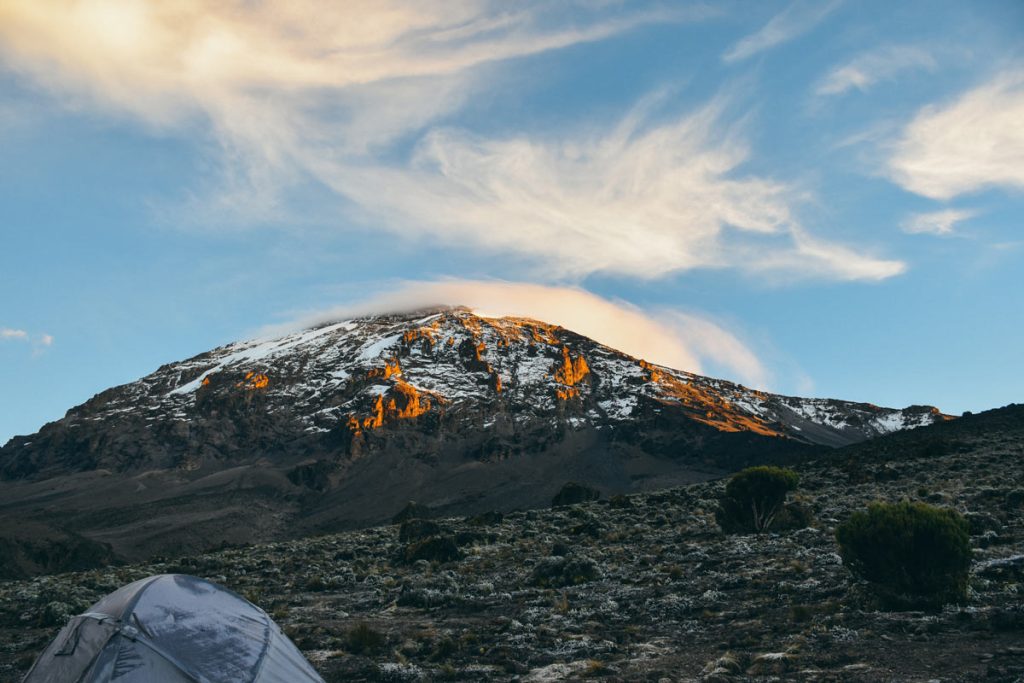
Climb to Uhuru Peak (5,895 m), the Roof of Africa, on the Marangu, Machame, Lemosho, Rongai or Umbwe route, from 5 to 9 days, with Licaon's experienced mountain crew.
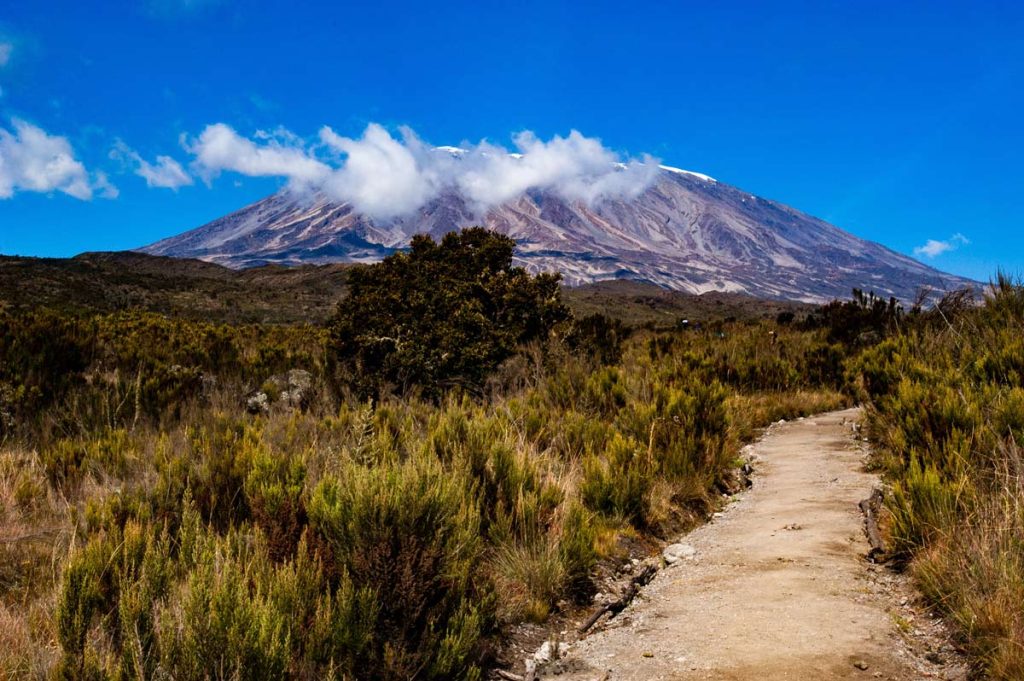
Not ready for the summit? A day hike from Marangu Gate through the rainforest to Mandara Hut and Maundi Crater gives a taste of the mountain.

Visit the Chagga village of Materuni on the lower slopes to hike to a beautiful waterfall and learn how coffee is grown, roasted and brewed.
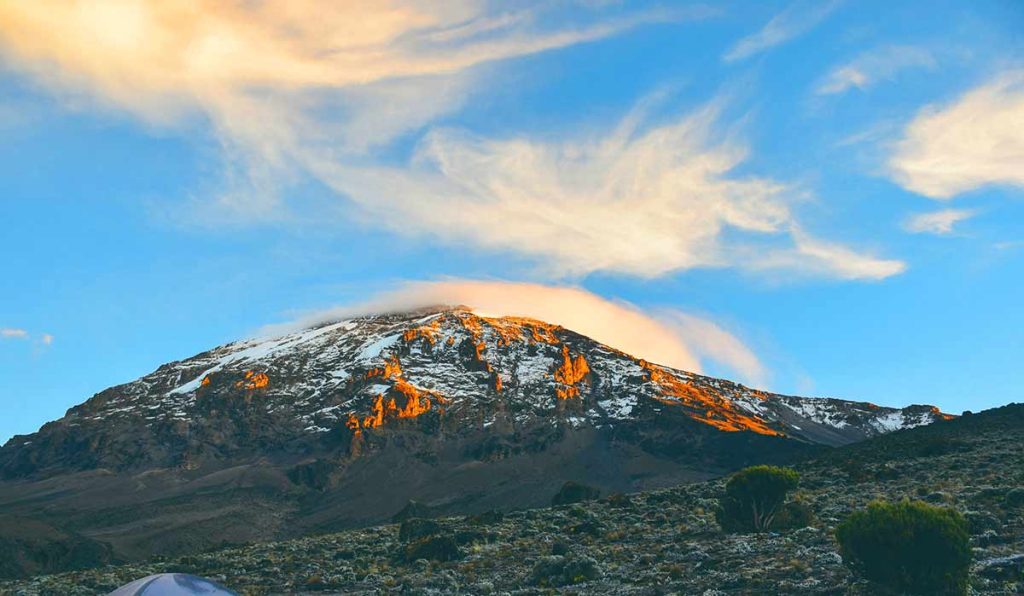
Sunrise and sunset light on Kibo's glaciers, seen from the plains or from Moshi, makes for unforgettable photographs.
The best climbing conditions, with clearer skies and drier trails. January to March is slightly warmer; July to October is cooler but very clear.
The mountain is quieter, but expect rain in the forest, snow on the summit and cloud hiding the views. April and May are the wettest months.
Popular experience in the Serengeti National Park
There are no results matching your search
Popular experience in the Serengeti National Park
Best time: All year round
Destinations: Arusha, Lake Manyara, Ngorongoro Crater, Serengeti, Tarangire, Zanzibar
Best time: January, February, March, December
Destinations: Arusha, Ngorongoro Crater, Serengeti, Tarangire
Best time: All year round
Destinations: Arusha, Ngorongoro Crater, Serengeti, Tarangire
Best time: All year round
Destinations: Lake Manyara, Ngorongoro Crater, Serengeti, Tarangire
Best time: All year round
Destinations: Lake Eyasi, Ngorongoro Crater, Serengeti, Tarangire
Best time: All year round
Destinations: Arusha, Ngorongoro Crater, Serengeti
Best time: All year round
Destinations: Lake Manyara, Materuni Waterfalls, Mkomazi, Tarangire
Best time: All year round
Destinations: Kilimanjaro, Ngorongoro Crater, Serengeti, Tarangire
There are no results matching your search
Popular experience in the Serengeti National Park
No technical climbing skills are needed. Kilimanjaro is a trek, not a technical climb, and people of many ages and backgrounds reach the summit every year. Good fitness helps, so we recommend regular walks and hikes in the months before your climb. The real key to success is walking slowly, staying hydrated and giving your body time to adjust to the altitude.
It depends on your time, fitness and preferences. Marangu is the only route with huts; Machame is scenic and popular; Lemosho is quieter and beautiful, with excellent acclimatisation; Rongai approaches from the drier north; and Umbwe is steep and challenging. Longer itineraries of seven to nine days, such as the Lemosho or 7-day Machame, give the best chance of reaching the summit.
Choose a longer itinerary with a good acclimatisation profile, walk slowly ("pole pole"), drink three to four litres of water a day and eat well even when your appetite drops. Tell your guide about any symptoms such as headache, nausea or dizziness. Our guides check your health twice a day, carry a pulse oximeter and first-aid kit, and will always put your safety first.
Kilimanjaro National Park's minimum age for summit climbs is 10 years. Younger children can enjoy day hikes on the lower slopes, such as the walk to Mandara Hut. For families climbing with teenagers, we recommend a longer route with good acclimatisation and a flexible pace.
The best conditions are in the two dry seasons: January to early March, which is slightly warmer, and late June to October, which is cooler but very clear. April and May are the wettest months, with rain in the forest and snow on the summit, and November brings shorter rains. Climbs are possible all year with the right gear.
There are no results matching your search