
Kitulo Plateau, known as Bustani ya Mungu (The Garden of God) by locals and dubbed the Serengeti of Flowers by botanists, is a rare gem waiting to be discovered. This unique plateau is home to a staggering 350 species of vascular plants, including 45 varieties of terrestrial orchids, which bloom in a spectacular display of colors during the rainy season from late November to April. Let Licaon safaris take you on a safari holiday like no other. Immerse yourself in the extraordinary world of plants with us. Contact us today to book your plant-lover’s safari and explore the unseen wonders of Southern Tanzania.
Sitting at an elevation of around 2,600 meters (8,500 ft) amidst the rugged peaks of the Kipengere, Poroto, and Livingstone Mountains, Kitulo Plateau boasts well-watered volcanic soils that support Tanzania’s largest and most significant montane grassland community.
Kitulo is renowned for its floral diversity, with not only a plethora of orchids but also stunning flowers like the yellow-orange red-hot poker and various aloes, proteas, geraniums, giant lobelias, lilies, and aster daisies. More than 30 species of these plants are endemic to southern Tanzania. While big game is scarce, a few mountain reedbuck and eland can still be spotted roaming the grassland.
Kitulo is a paradise for botanists and hikers and is a magnet for birdwatchers. The park is home to Tanzania’s only population of the rare Denham’s bustard, as well as a breeding colony of the endangered blue swallow. Other species, like the mountain marsh widow, Njombe cisticola, and Kipengere seedeater, add to the allure. Endemic species of butterfly, chameleon, lizard, and frog further enrich the biological diversity of this heavenly garden.
Explore the good hiking trails, soon to be developed into a formal trail system. Enjoy open walking across the grasslands to observe birds and wildflowers. Embark on hill climbing adventures on the neighboring ranges. A half-day hike from the park to the sumptuous Matema Beach on Lake Nyasa across the Livingstone Mountains is a rewarding experience.
Access to Kitulo Plateau is by 4×4 vehicles only. From Chimala, 78 kilometers east of Mbeya along the surfaced main road to Dar es Salaam, head south along the rough but scenic dirt road known as Hamsini na Saba (57) due to its 57 hairpin bends. This road leads to the temporary park headquarters at Matamba, from where it’s another hour’s drive to the plateau. Basic public transport is available.
Explore popular animals that easy found on this world-class destinations
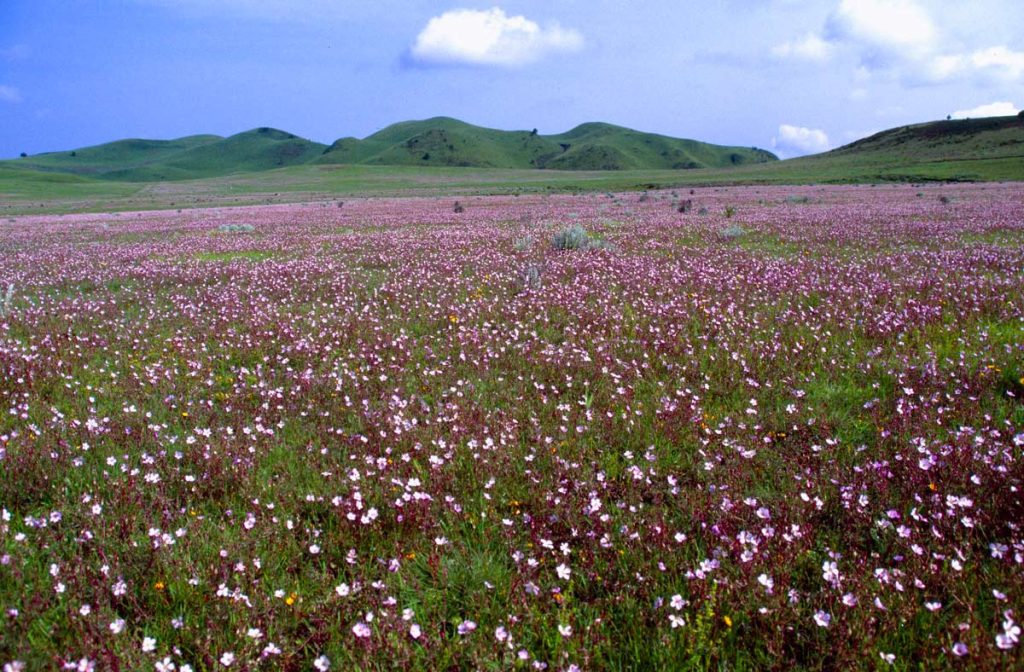
During the rains the plateau bursts into colour with dozens of orchid species, red-hot pokers, aloes and lilies, earning it the name "the Serengeti of Flowers".
Open grasslands, rolling hills and forest patches make Kitulo excellent hiking country, including treks towards Mount Mtorwi, the highest peak in southern Tanzania.
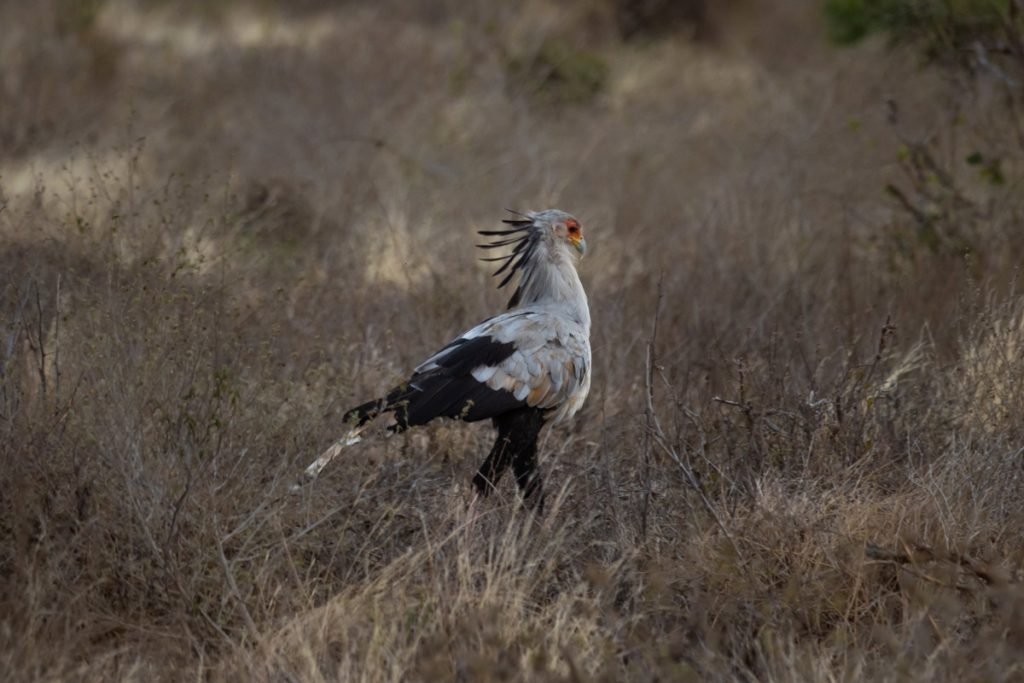
Kitulo is a stronghold for rare highland birds such as Denham's bustard and the blue swallow, along with many montane forest species.
Carpets of wildflowers, misty ridges and dramatic skies make the plateau a rewarding destination for landscape and macro photography.
The rains bring the plateau into full bloom, with orchids, lilies and red-hot pokers carpeting the grasslands. This is the most beautiful time to visit, though some roads can be muddy.
The weather is dry and roads are easier, making it a good time for hiking. The grasslands turn golden, and nights on the plateau can be very cold.
Popular experience in the Serengeti National Park
There are no results matching your search
Popular experience in the Serengeti National Park
Best time: All year round
Destinations: Arusha, Lake Manyara, Ngorongoro Crater, Serengeti, Tarangire, Zanzibar
Best time: January, February, March, December
Destinations: Arusha, Ngorongoro Crater, Serengeti, Tarangire
Best time: All year round
Destinations: Arusha, Ngorongoro Crater, Serengeti, Tarangire
Best time: All year round
Destinations: Lake Manyara, Ngorongoro Crater, Serengeti, Tarangire
Best time: All year round
Destinations: Lake Eyasi, Ngorongoro Crater, Serengeti, Tarangire
Best time: All year round
Destinations: Arusha, Ngorongoro Crater, Serengeti
Best time: All year round
Destinations: Lake Manyara, Materuni Waterfalls, Mkomazi, Tarangire
Best time: All year round
Destinations: Kilimanjaro, Ngorongoro Crater, Serengeti, Tarangire
There are no results matching your search
Popular experience in the Serengeti National Park
There are no results matching your search