
Katavi National Park is Tanzania’s third-largest national park and one of its most remote, lying in the far west of the country. With very few visitors, it offers a genuinely wild safari experience, where you may not see another vehicle all day.
The park is famous for its huge dry-season gatherings of wildlife. As the Katuma River and the Katisunga floodplain shrink, hundreds of hippos crowd into the remaining pools, crocodiles shelter in muddy banks, and herds of buffalo, sometimes a thousand strong, come down to drink. Elephant, giraffe, zebra and many antelope species are common, and lion and leopard follow the herds.
Most visitors arrive on charter flights, often combined with Mahale Mountains, which land at airstrips inside the park.
The park headquarters at Sitalike is about 40 km south of Mpanda town. Road access from the rest of Tanzania is long and best suited to overland adventurers.
Explore popular animals that easy found on this world-class destinations

Hippopotamus amphibius

Crocodylus niloticus

Syncerus caffer
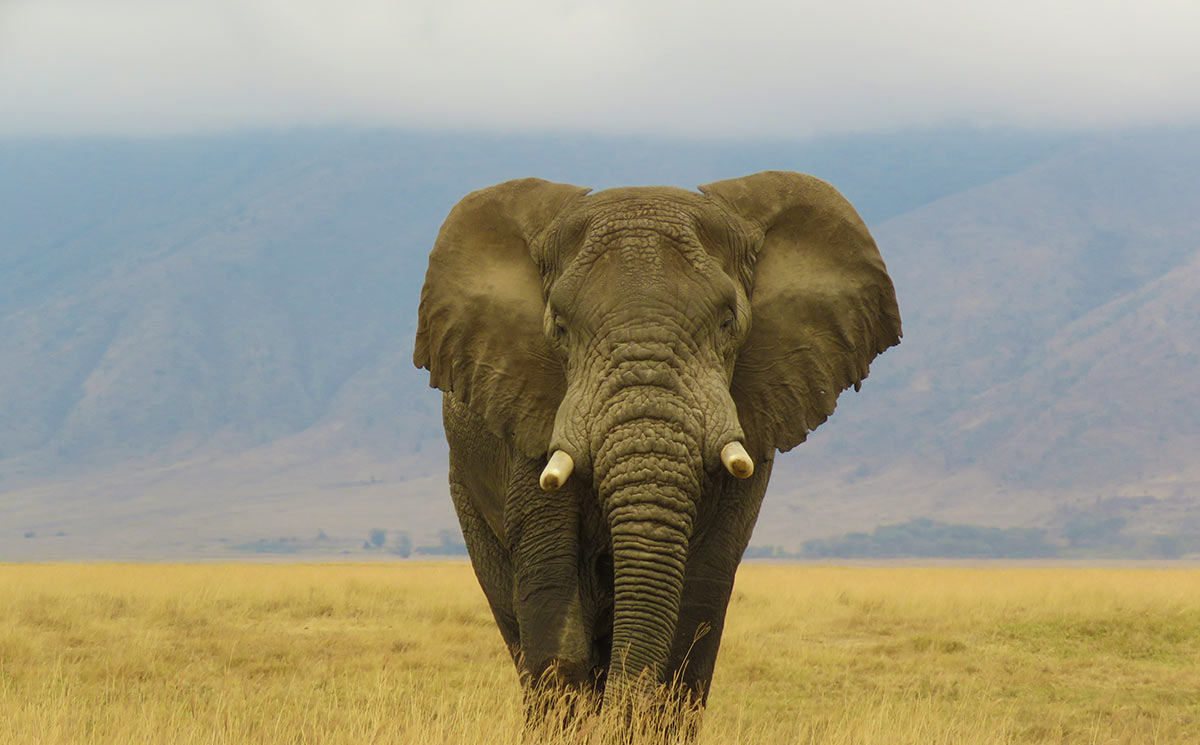
Loxodonta africana
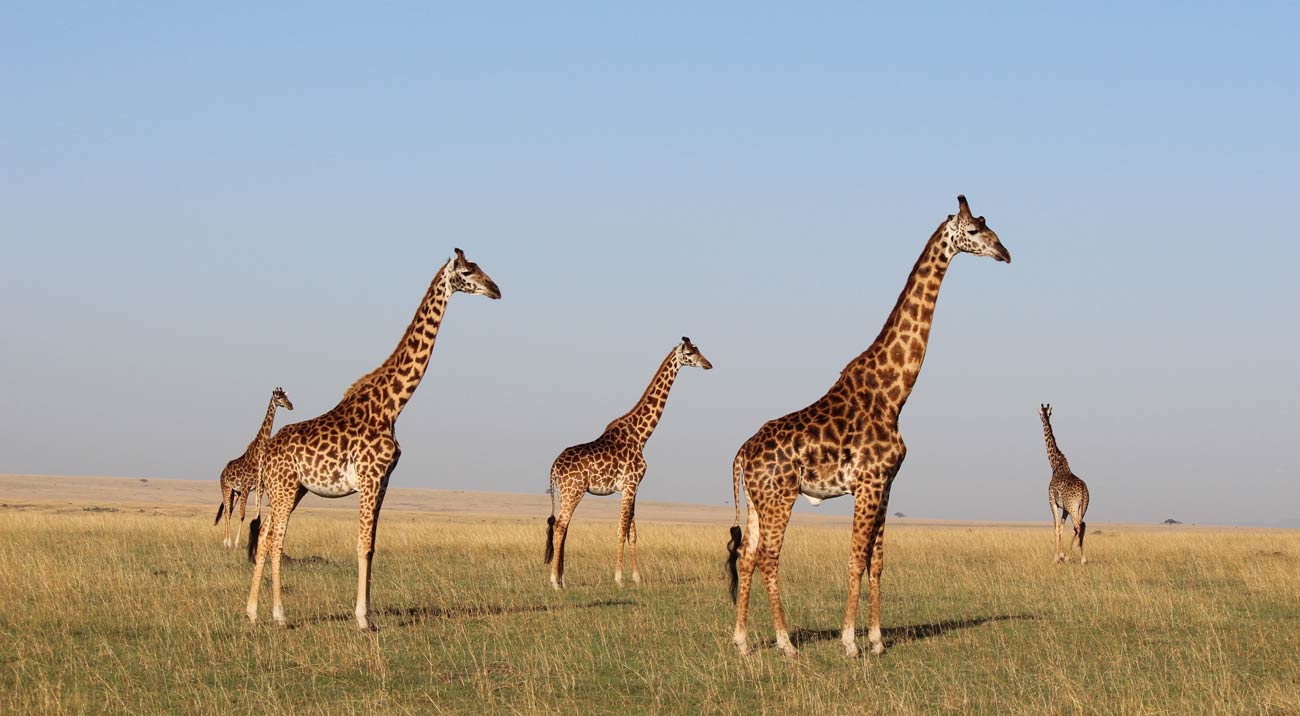
Giraffa tippelskirchi
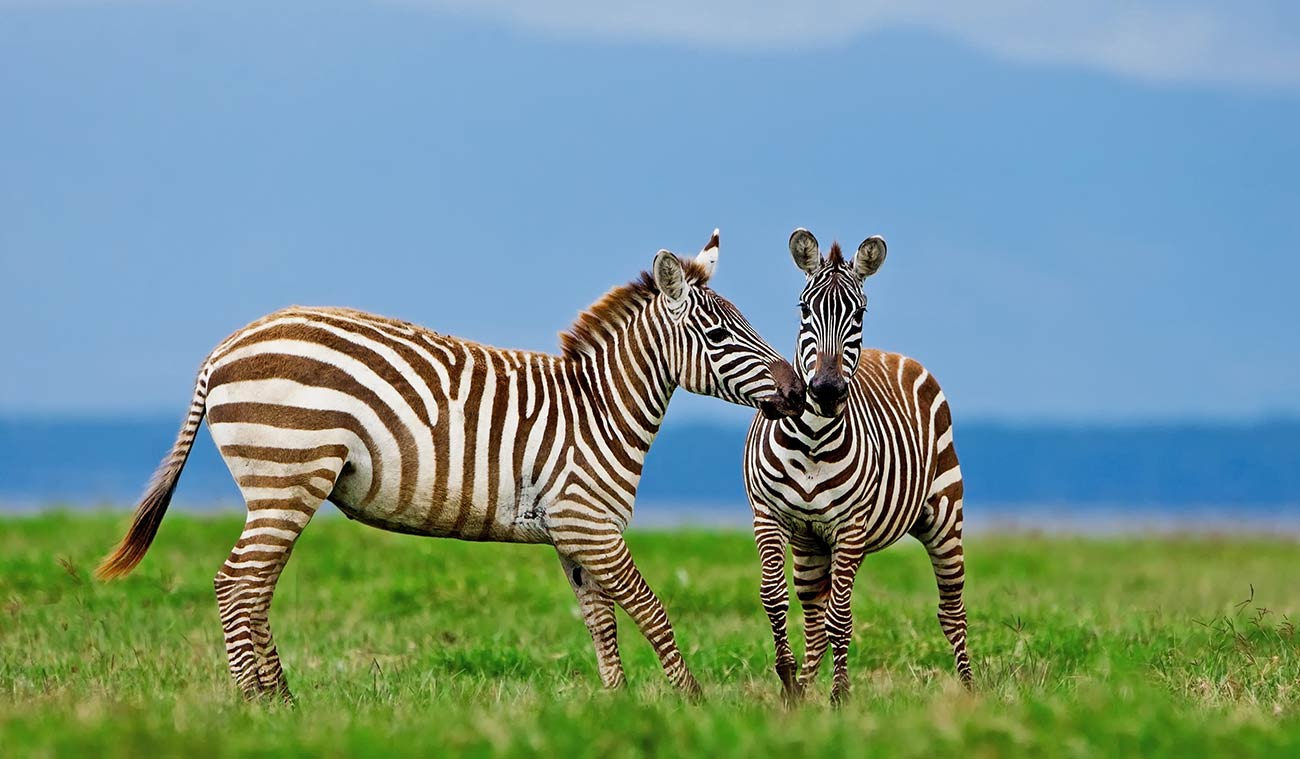
Equus quagga
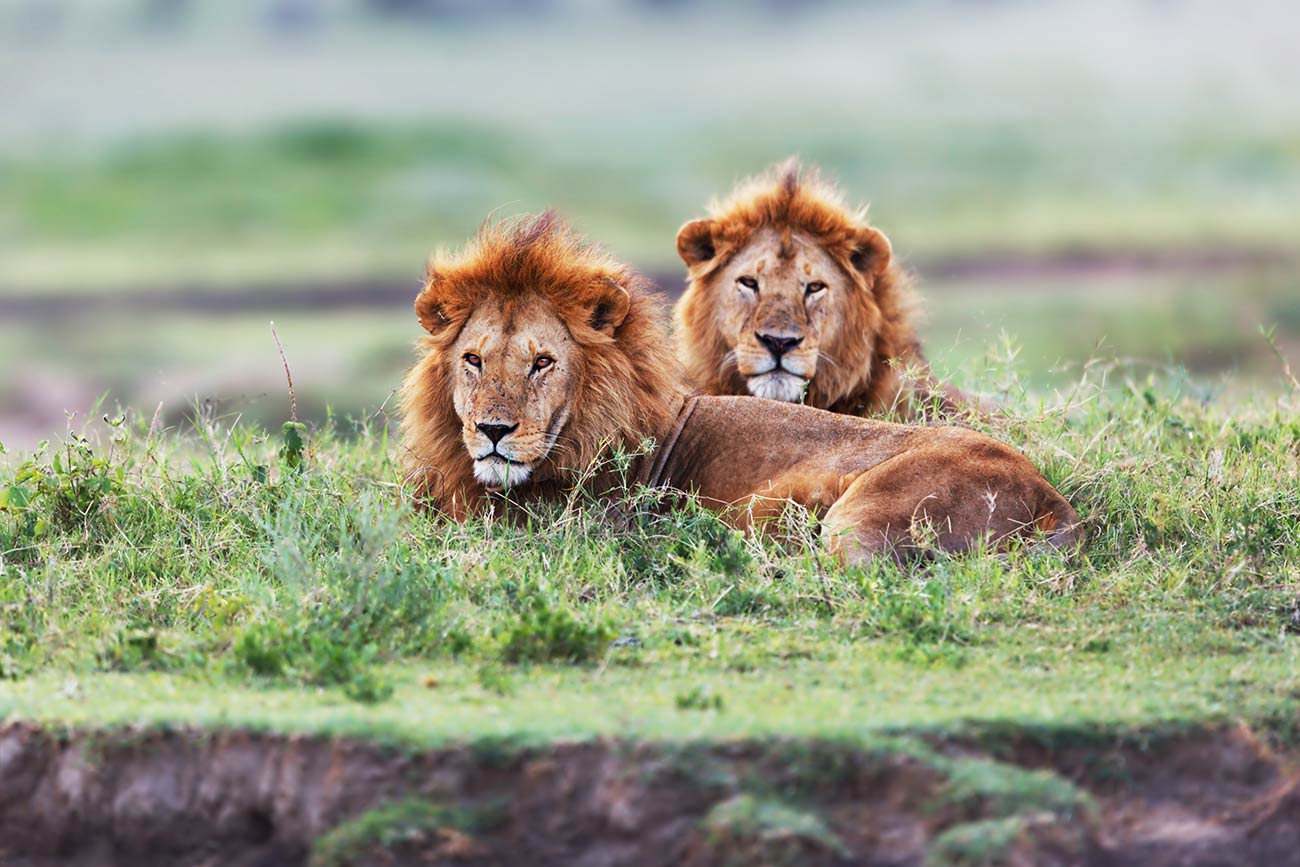
Panthera leo
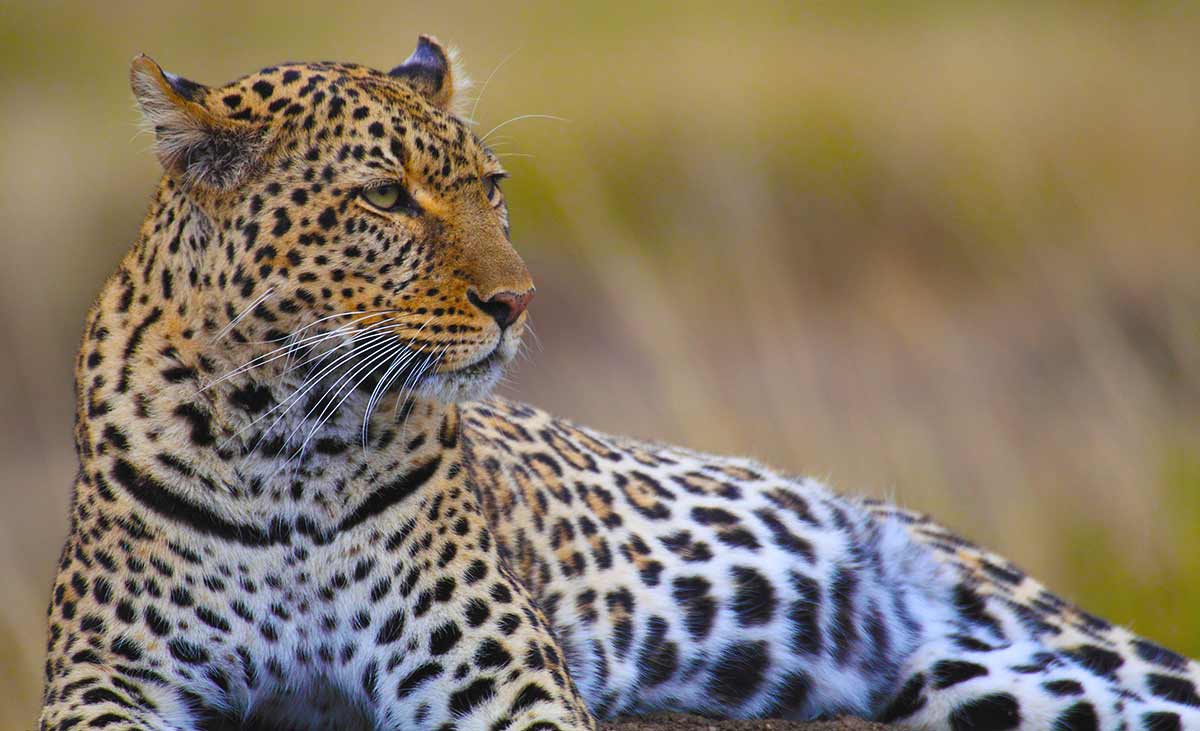
Panthera pardus
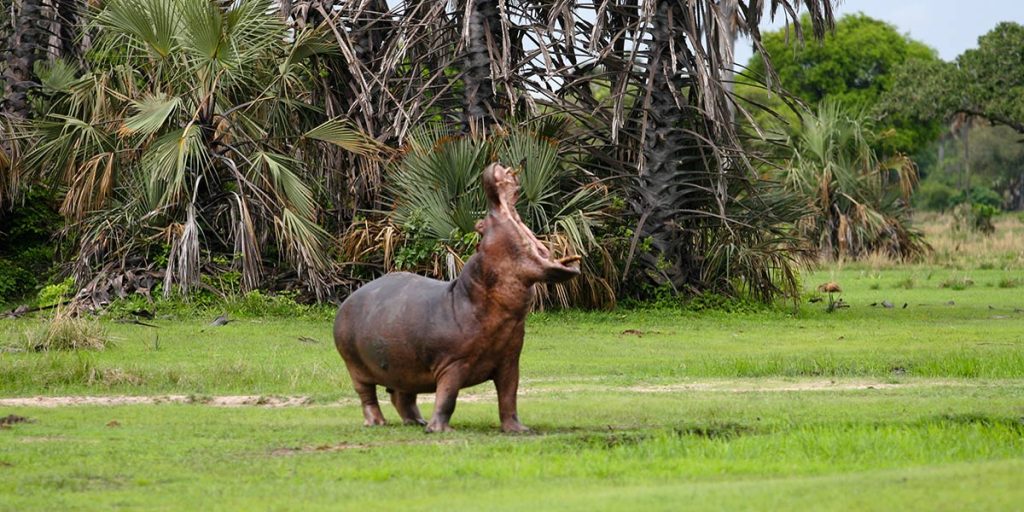
In the dry season thousands of buffalo, along with elephant, giraffe, zebra and antelope, gather on the vast Katisunga floodplain, followed by lions and hyenas.
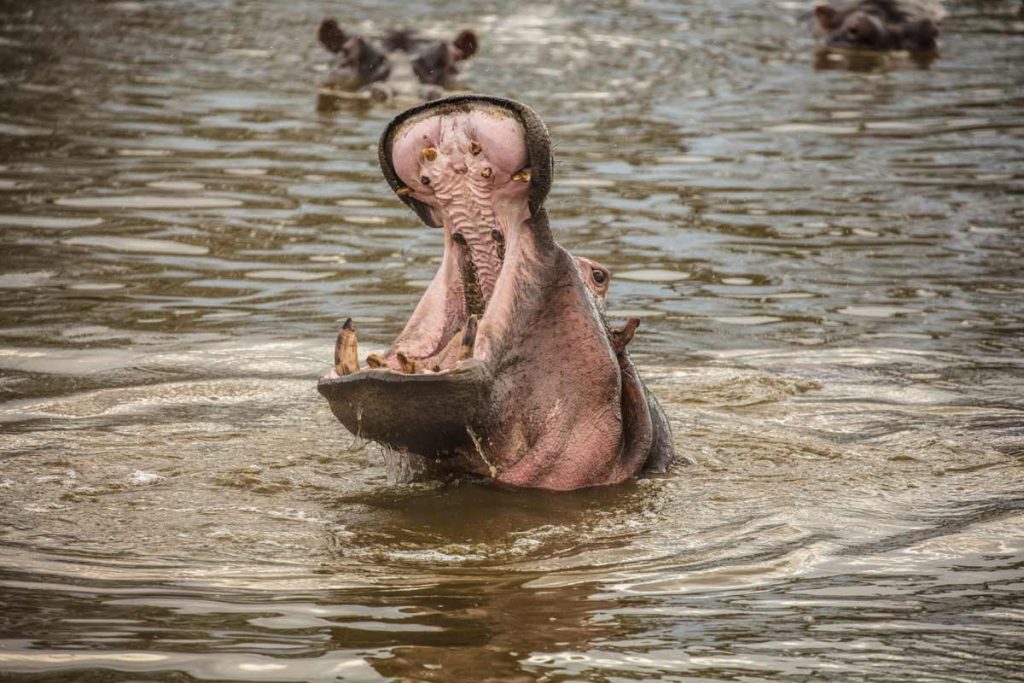
As the Katuma River shrinks, hundreds of hippos crowd into the last pools and crocodiles shelter in the riverbanks, one of Africa's most extraordinary wildlife spectacles.
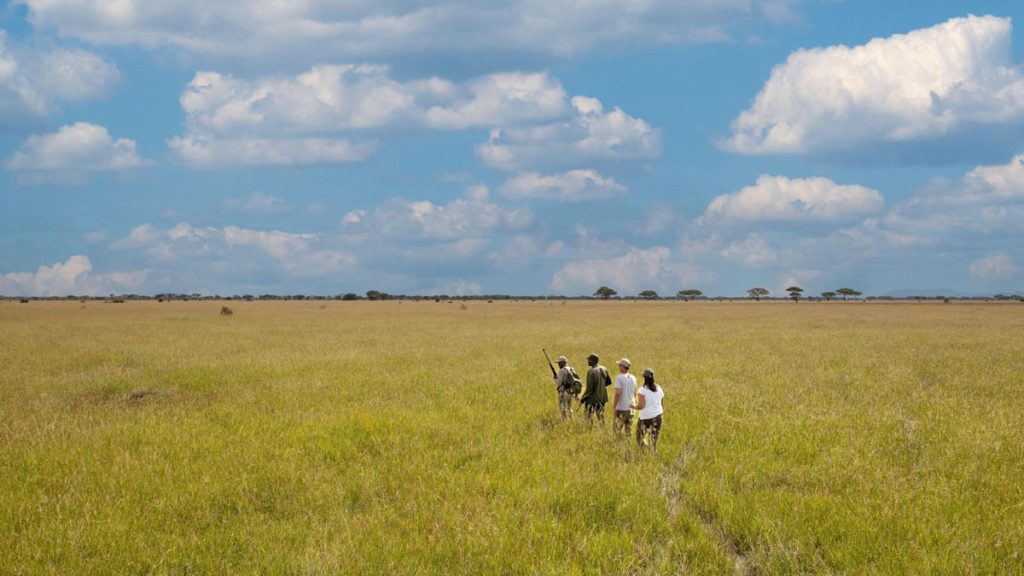
Explore the remote bush on foot with an armed ranger, often without seeing another visitor all day.
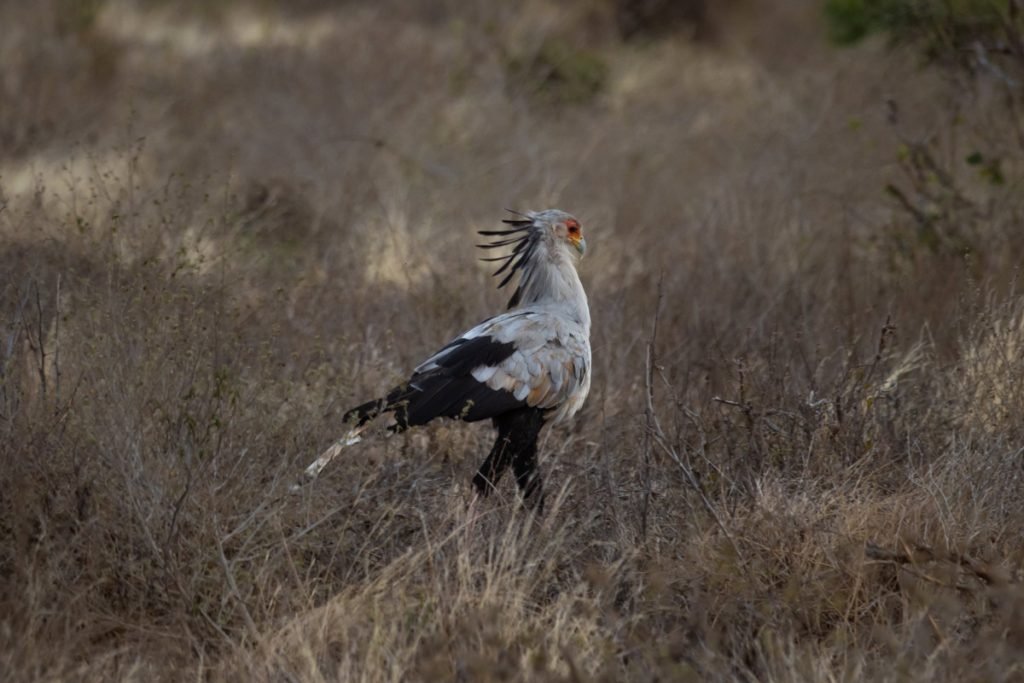
More than 400 bird species live in the park, from storks and pelicans on the floodplains to raptors in the miombo woodland.
The best time to visit. As the water dries up, huge herds of buffalo, elephant and hippos gather on the floodplains and along the Katuma River, with the greatest concentrations in September and October.
Much of the park becomes inaccessible and most camps close from around March to May. Early in the wet season the park is green and good for birdwatching.
Popular experience in the Serengeti National Park
Best time: All year round
Destinations: Arusha, Lake Manyara, Ngorongoro Crater, Serengeti, Tarangire, Zanzibar
Best time: January, February, March, December
Destinations: Arusha, Ngorongoro Crater, Serengeti, Tarangire
Best time: All year round
Destinations: Arusha, Ngorongoro Crater, Serengeti, Tarangire
Best time: All year round
Destinations: Lake Manyara, Ngorongoro Crater, Serengeti, Tarangire
Best time: All year round
Destinations: Lake Eyasi, Ngorongoro Crater, Serengeti, Tarangire
Best time: All year round
Destinations: Arusha, Ngorongoro Crater, Serengeti
Best time: All year round
Destinations: Lake Manyara, Materuni Waterfalls, Mkomazi, Tarangire
Best time: All year round
Destinations: Kilimanjaro, Ngorongoro Crater, Serengeti, Tarangire
There are no results matching your search
Popular experience in the Serengeti National Park
Katavi is one of Tanzania's most remote and least-visited parks, offering a true wilderness experience. In the dry season, huge herds of buffalo, hundreds of hippos in shrinking pools, crocodiles, elephants and lions gather on the floodplains in one of Africa's most dramatic wildlife spectacles, often with no other vehicles in sight.
Most visitors fly in on charter flights, landing at airstrips inside the park, often combined with Mahale Mountains National Park for chimpanzee tracking. Road access is possible from Mpanda town, but the long overland journey from the rest of Tanzania is best suited to adventurous travellers.
The dry season, from June to October, is the best time, as the rivers and lakes shrink and wildlife concentrates around the remaining water. September and October bring the most dramatic scenes, with huge buffalo herds and crowded hippo pools. Much of the park is inaccessible during the long rains.
We recommend at least three nights. Katavi is large and remote, and the flights in are long, so a longer stay lets you explore the Katisunga floodplain, the Katuma River and Lake Chada, enjoy walking safaris and truly appreciate the wilderness.
No. Most camps close during the long rains, from around March to May, when many roads become impassable. They reopen from May or June, and the best time to visit is from June to October.
There are no results matching your search