
Serengeti National Park, a globally renowned wildlife sanctuary situated in Tanzania, was established in 1951 and covers an expansive area of over 14,750 square kilometers. Celebrated for its vast savannas, the park attracts nature enthusiasts and safari aficionados seeking encounters with a diverse range of wildlife. Its most famous spectacle is the Great Migration, an extraordinary natural event where millions of wildebeest, zebras, and other herbivores journey across the park in search of fresh grazing, creating a breathtaking panorama. Visitors to Serengeti National Park are treated to the presence of the “Big Five” – lions, elephants, leopards, buffalo, and rhinoceros – along with an abundance of other captivating animals such as cheetahs, giraffes, and numerous bird species. The park’s varied topography, encompassing open plains, acacia-dotted woodlands, and riverine forests, provides diverse habitats for its inhabitants. Guided safaris and game drives offer an immersive experience, allowing guests to observe these creatures in their natural surroundings while gaining insights into the park’s distinctive ecosystem and ongoing conservation initiatives.


Embarking on the journey to Serengeti National Park by car unveils a captivating expedition through Tanzania’s diverse landscapes. Whether starting from Arusha or Ngorongoro, the road trip traverses the scenic beauty of the African savannah, offering glimpses of wildlife against the backdrop of expansive plains. The adventure unfolds as travelers navigate acacia-dotted woodlands and witness the changing tapestry of the Serengeti. The anticipation builds with each kilometer, leading to the park’s entrance where an unparalleled safari experience awaits amidst the iconic grasslands, teeming wildlife, and the majestic spectacle of the Great Migration.
Arriving at Serengeti National Park by air presents a seamless and breathtaking introduction to Tanzania’s premier wildlife destination. Numerous airstrips, such as Seronera Airstrip, cater to visitors seeking quick and convenient access to the park. The aerial approach provides panoramic views of the vast Serengeti plains, showcasing the dynamic landscapes that host the renowned Great Migration. Touching down amidst the pristine wilderness, travelers are instantly immersed in the remarkable ecosystem, with opportunities to embark on exhilarating game drives and witness the untamed beauty of Serengeti’s diverse flora and fauna.
Explore popular animals that easy found on this world-class destinations
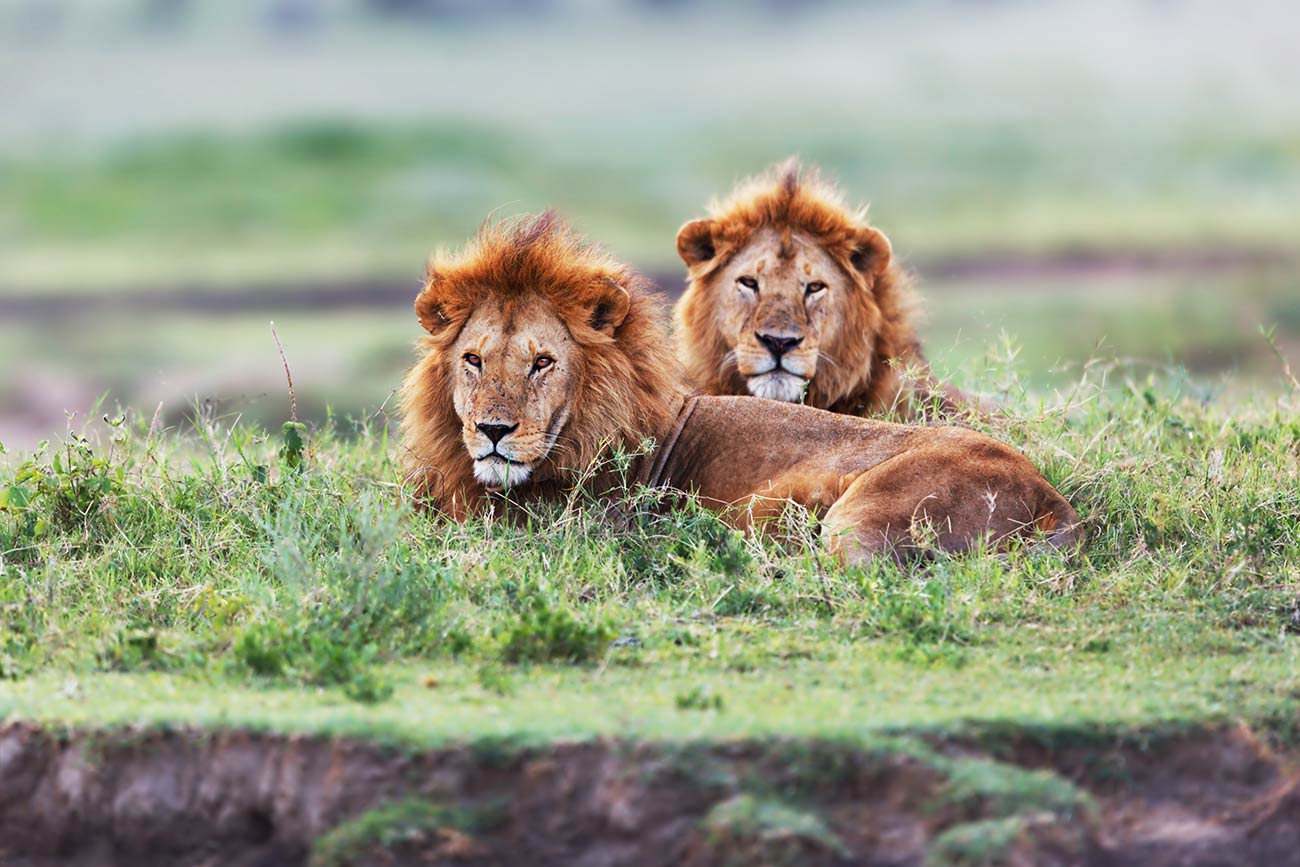
Panthera leo
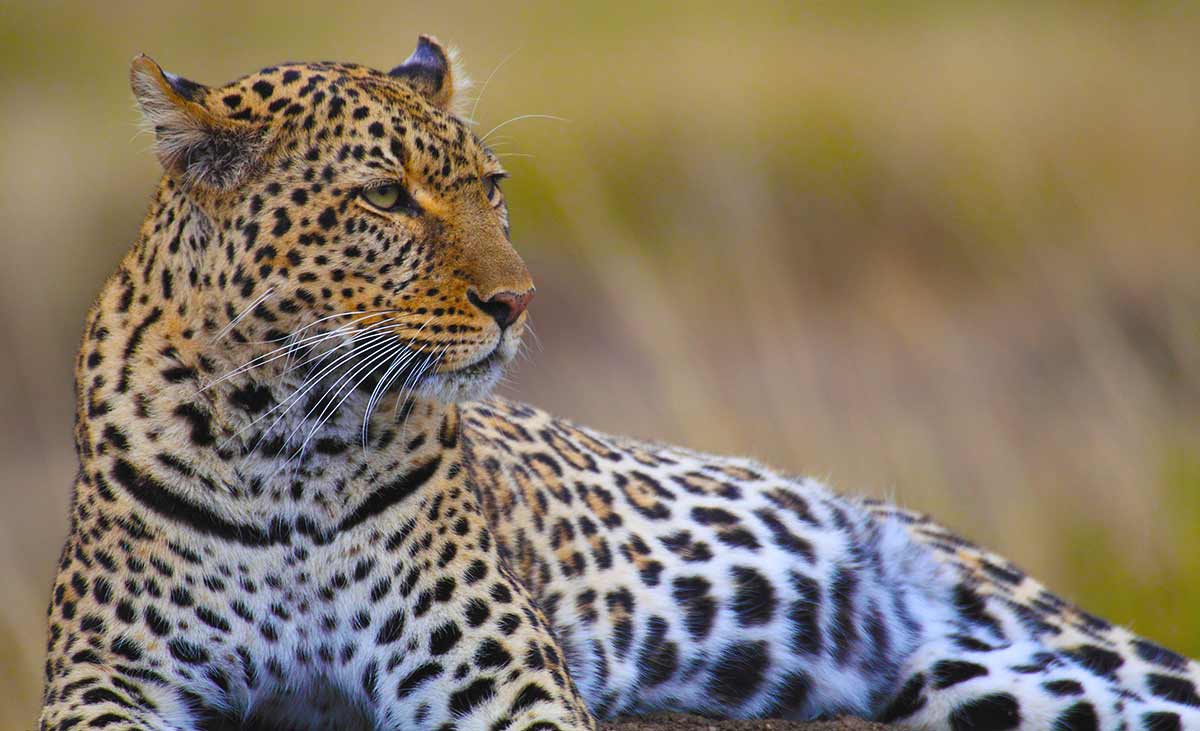
Panthera pardus

Acinonyx jubatus
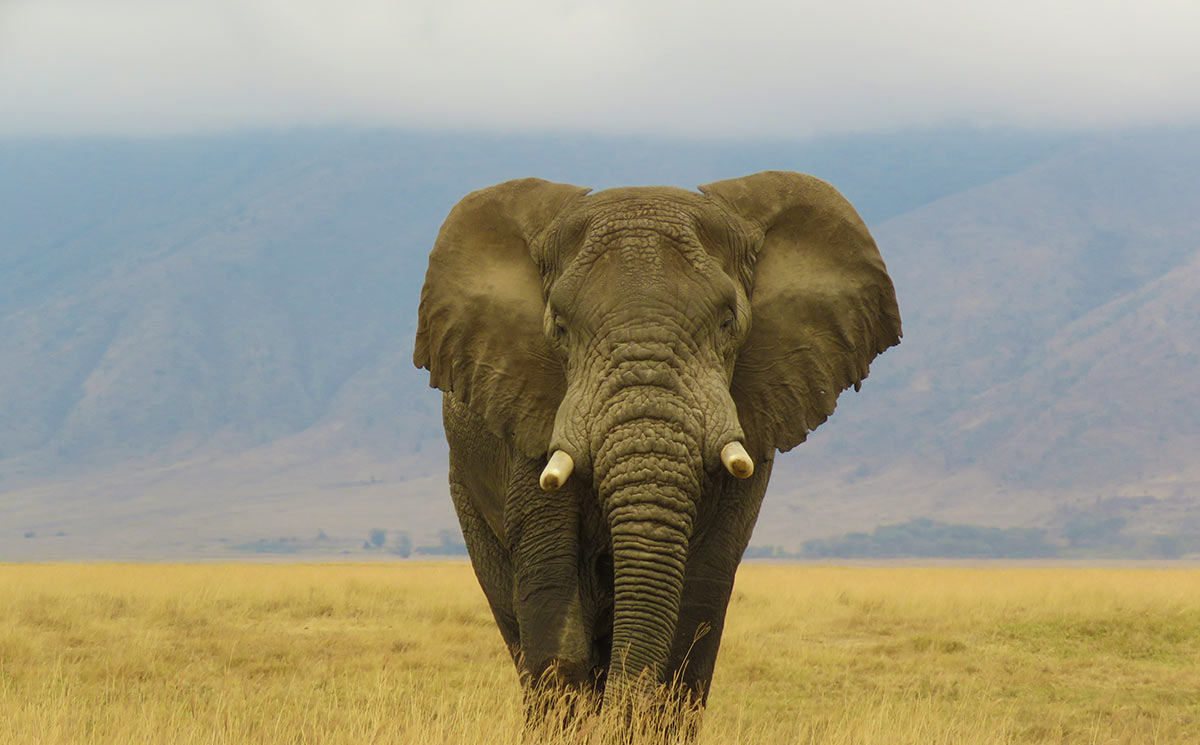
Loxodonta africana

Syncerus caffer

Diceros bicornis
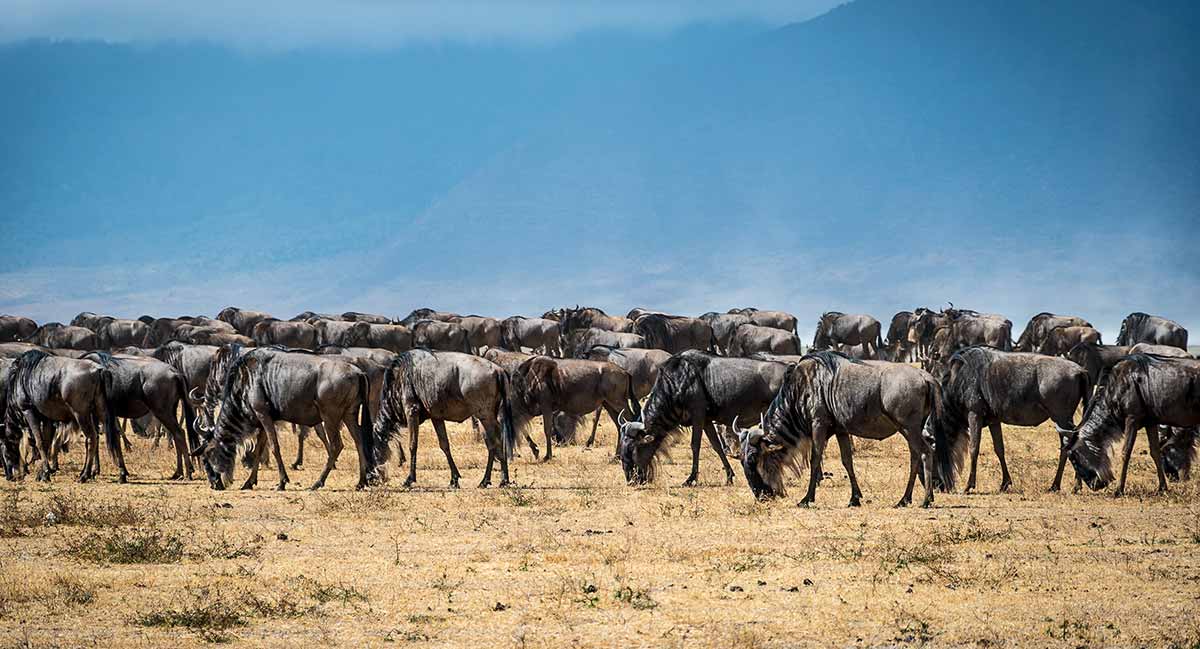
Connochaetes taurinus
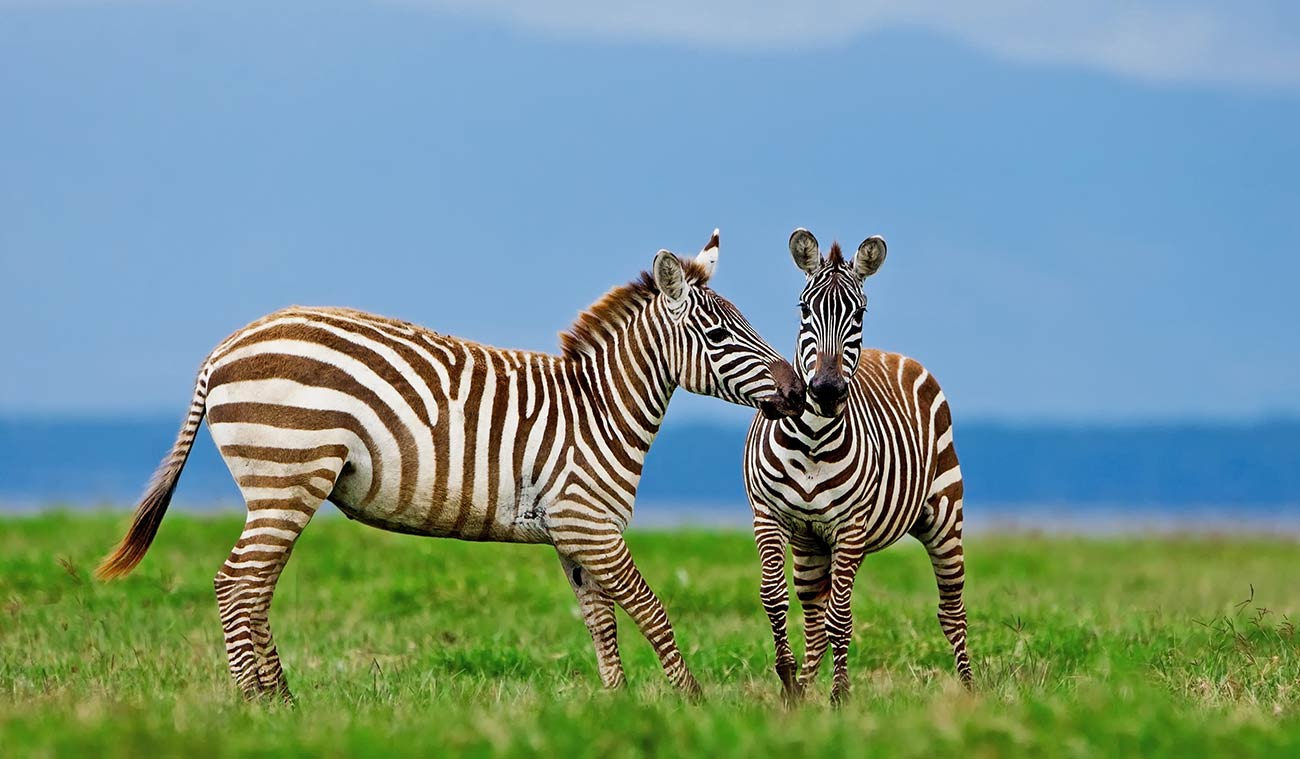
Equus quagga
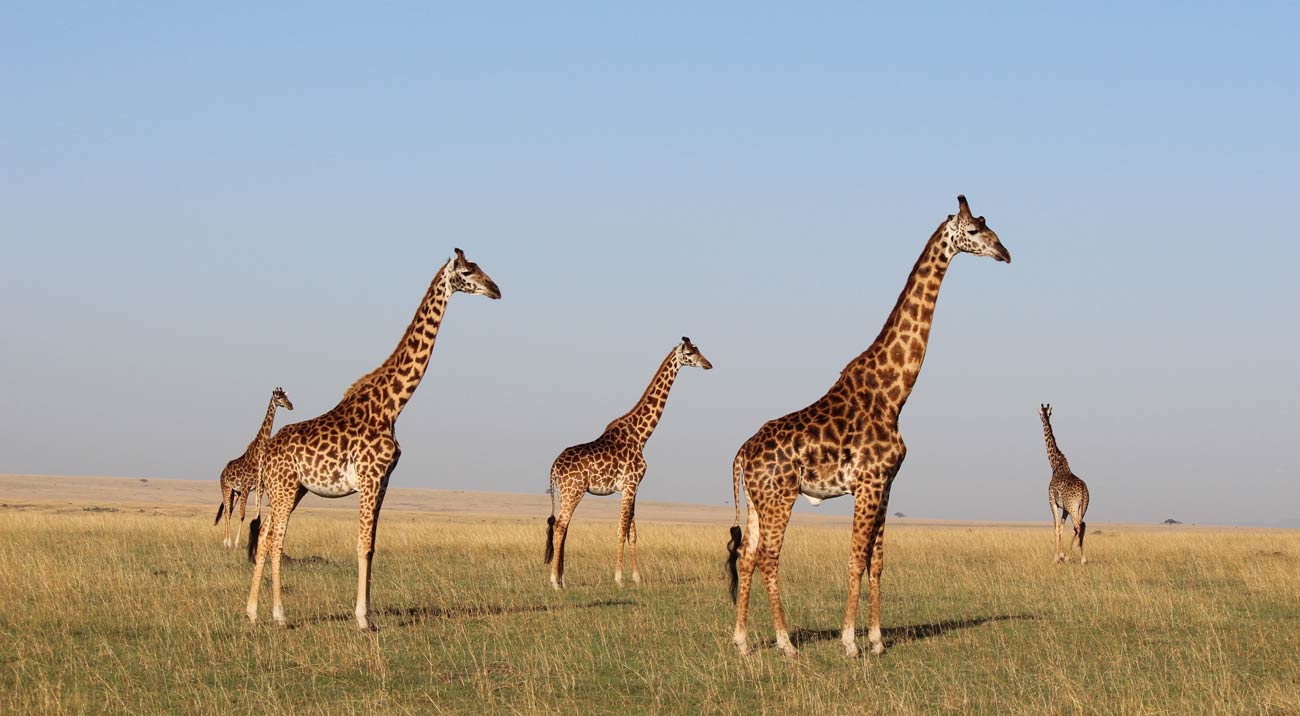
Giraffa tippelskirchi

Crocuta crocuta

Hippopotamus amphibius

Crocodylus niloticus
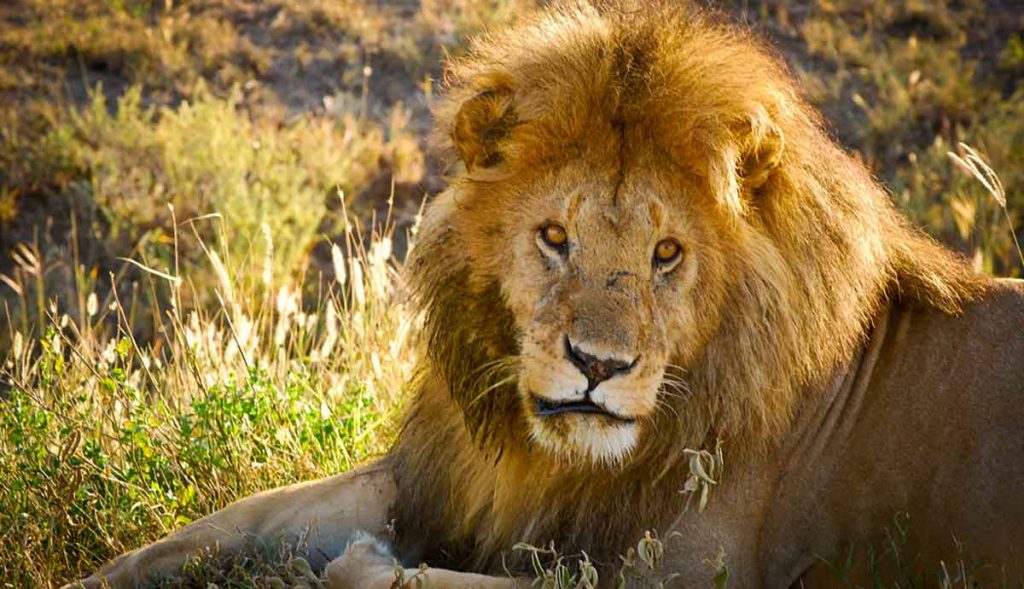
Explore the endless plains, granite kopjes and river woodlands of the Serengeti in an open-roof 4×4. The park has one of the highest concentrations of predators in Africa, and your guide knows where lion prides, leopards and cheetahs are most likely to be found.
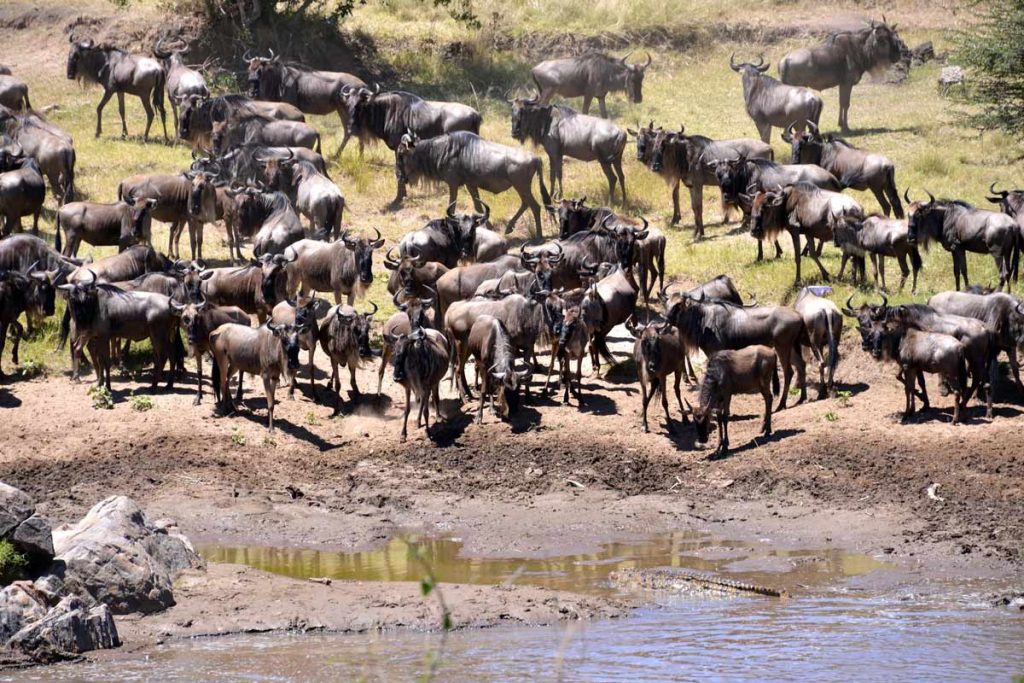
Around 1.5 million wildebeest, with zebra and gazelle, circle the ecosystem all year. From December to March they calve on the southern plains around Ndutu; from July to October they face the dramatic Mara River crossings in the north. We plan your safari around where the herds are.
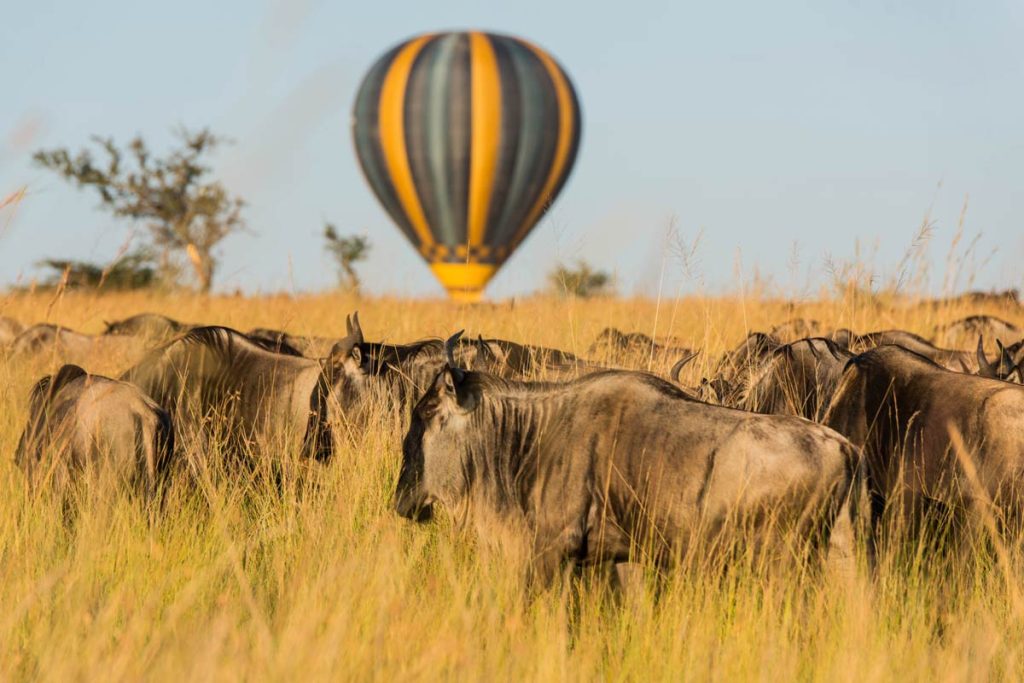
Float silently over the plains at sunrise, watching the herds and predators below, then land for a champagne bush breakfast. Flights operate year-round from the central Serengeti and seasonally in the south and north.
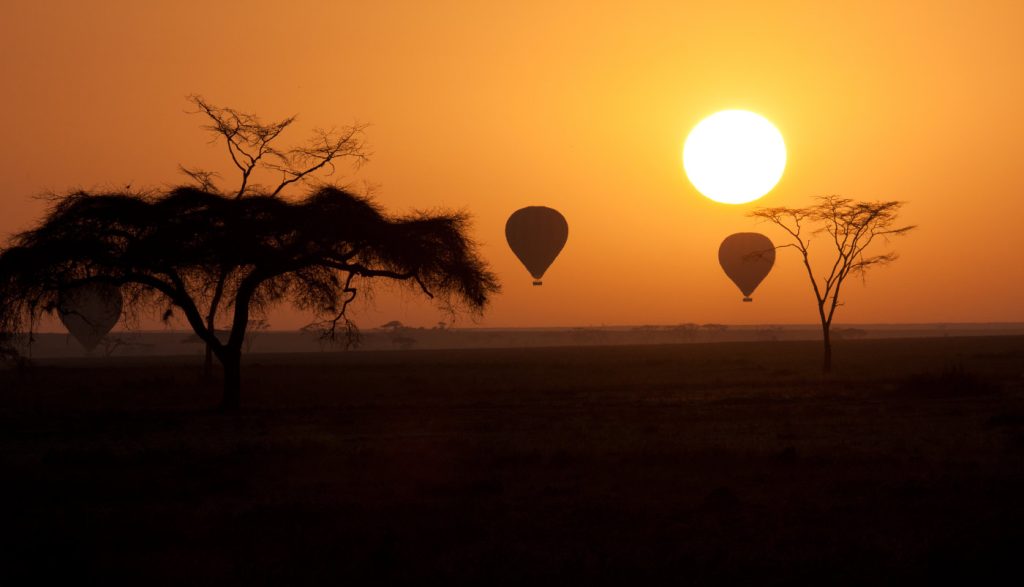
Golden light over acacia-dotted plains, lions on kopjes and dramatic storm skies make the Serengeti a dream for photographers. Early mornings and late afternoons give the best light and the most active wildlife.
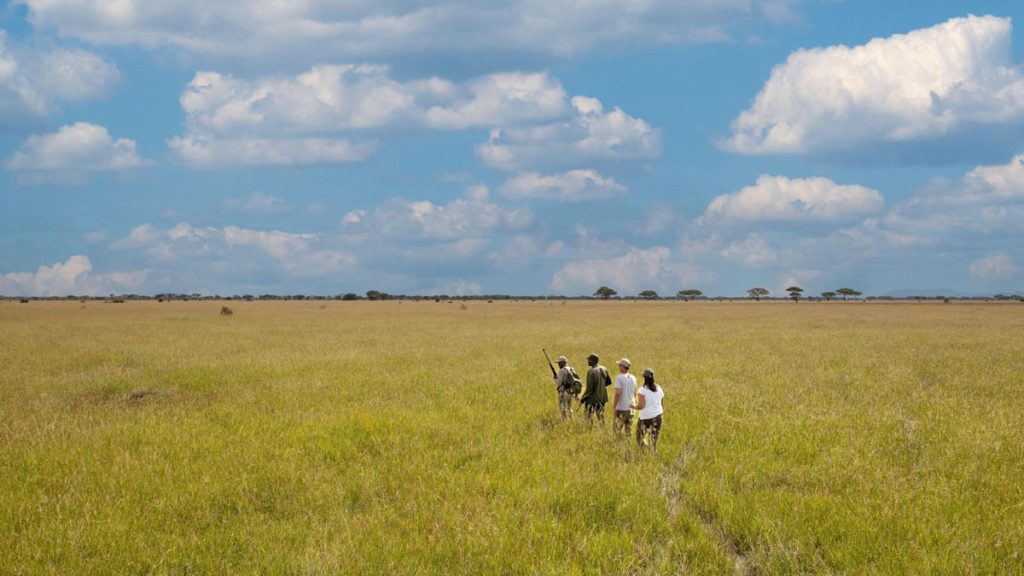
Step out of the vehicle with an armed park ranger and experience the bush on foot, reading tracks, learning about plants and insects, and feeling the scale of the plains. Walks take place in designated areas outside the main game-drive circuits.
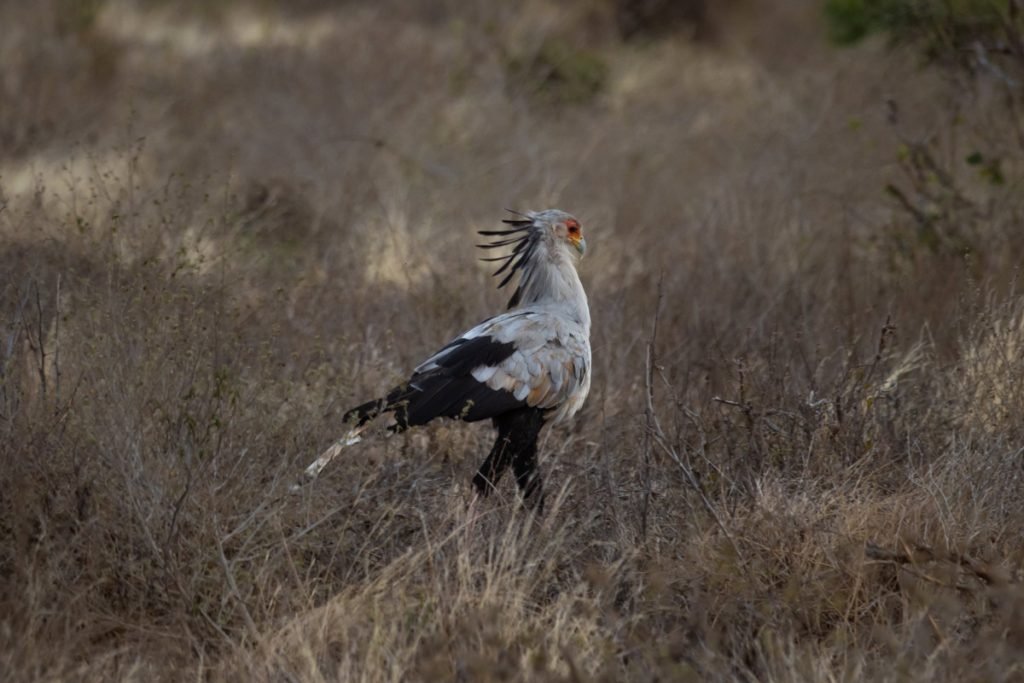
More than 500 bird species have been recorded in the Serengeti, from ostriches and secretary birds to lilac-breasted rollers and the endemic grey-breasted spurfowl and Fischer's lovebird.
Visiting Serengeti National Park during the dry season, which typically spans from June to October, offers an optimal safari experience. The dry season is characterized by clear skies, cooler temperatures, and sparse vegetation, making it an ideal time for wildlife viewing. As water sources diminish, animals congregate around remaining waterholes, providing excellent opportunities to observe and photograph a diverse array of species, including the “Big Five.” The Great Migration, featuring massive herds of wildebeest and zebras, is a highlight during the dry season as they traverse the plains in search of grazing, creating a spectacular spectacle. The favorable weather conditions and increased visibility make the dry season a preferred time for both safari enthusiasts and photographers seeking an immersive and memorable Serengeti experience.
Exploring Serengeti National Park during the heavy rain season, spanning from November to April, unveils a different facet of this iconic wildlife destination. While the landscapes transform into lush greenery, attracting migratory birds and vibrant wildflowers, the heavy rains can pose challenges such as muddy roads. However, the wet season offers unique advantages, including fewer tourists, creating a more intimate safari experience. Witnessing the calving season and observing adorable baby animals adds a special charm, while the dramatic skies and increased predator activity contribute to memorable photographic opportunities. Although certain areas may be inaccessible, the heavy rain season provides a distinctive and rewarding perspective on Serengeti’s biodiversity and natural beauty.
Visiting Serengeti National Park during the short rain season, which typically occurs from November to December, offers a unique blend of advantages. While brief, this season brings a rejuvenating touch to the landscape, resulting in lush greenery and blooming vegetation. The park is less crowded during this time, providing a more tranquil safari experience. Wildlife is abundant, and the calving season occurs, with adorable baby animals adding a delightful dimension to the safari. While occasional showers may be experienced, the short rain season allows visitors to enjoy the park’s biodiversity in a serene and less bustling atmosphere, making it an appealing option for those seeking a quieter safari adventure.
Popular experience in the Serengeti National Park
There are no results matching your search
Popular experience in the Serengeti National Park
Best time: All year round
Destinations: Arusha, Lake Manyara, Ngorongoro Crater, Serengeti, Tarangire, Zanzibar
Best time: January, February, March, December
Destinations: Arusha, Ngorongoro Crater, Serengeti, Tarangire
Best time: All year round
Destinations: Arusha, Ngorongoro Crater, Serengeti, Tarangire
Best time: All year round
Destinations: Lake Manyara, Ngorongoro Crater, Serengeti, Tarangire
Best time: All year round
Destinations: Lake Eyasi, Ngorongoro Crater, Serengeti, Tarangire
Best time: All year round
Destinations: Arusha, Ngorongoro Crater, Serengeti
Best time: All year round
Destinations: Lake Manyara, Materuni Waterfalls, Mkomazi, Tarangire
Best time: All year round
Destinations: Kilimanjaro, Ngorongoro Crater, Serengeti, Tarangire
There are no results matching your search
Popular experience in the Serengeti National Park
The Serengeti is rewarding all year, so the best time depends on what you want to see. June to October is the classic dry season, with short grass, animals concentrated around water and the dramatic Mara River crossings in the north from July. January to March is calving season on the southern plains around Ndutu, when thousands of wildebeest calves are born and predators are very active. The green season (April and May, plus November) brings lush landscapes, fewer vehicles and excellent birdwatching.
The Serengeti is home to the Big Five (lion, leopard, elephant, buffalo and rhino, although rhinos are rare and mostly seen in the Moru Kopjes area), along with one of Africa's highest concentrations of predators, including cheetahs, hyenas and jackals. Around 1.5 million wildebeest, with hundreds of thousands of zebras and gazelles, move through the ecosystem on the Great Migration. You'll also see giraffes, hippos, crocodiles, elands, topis and more than 500 bird species.
Most visitors fly into Kilimanjaro International Airport (JRO) or Arusha. From there you can take a scheduled light-aircraft flight of about an hour to one of the park's airstrips, such as Seronera, Kogatende or Ndutu, or drive through Tarangire, Lake Manyara and the Ngorongoro highlands, a scenic journey that turns the transfer into part of the safari. Many of our itineraries combine both: driving in and flying out.
The Serengeti offers something for every budget: luxury lodges with swimming pools and views over the plains, intimate tented camps, seasonal mobile camps that move with the Migration, and simple public campsites for adventurous travellers. Location matters as much as comfort, so we choose each camp according to the time of year, putting you close to the herds and the best game viewing for your travel dates.
Yes. The Serengeti is considered very safe for visitors. Our professional guides know the park intimately and follow strict park rules: stay inside the vehicle except at designated areas, keep a respectful distance from animals, and follow your guide's instructions at all times. Lodges and camps have trained staff, and many use escorts after dark. We also recommend malaria prophylaxis, insect repellent and travel insurance, and our team is available 24/7 throughout your trip.
There are no results matching your search