
Tanzania is home to some of the most remarkable places on the planet. Three of the Seven Natural Wonders of Africa are found here, along with seven UNESCO World Heritage Sites. Here are the wonders you can experience on a trip to Tanzania.
Africa’s highest mountain and the world’s tallest free-standing mountain rises 5,895 metres above the plains, its snowy summit visible from far across the savannah.
A vast volcanic caldera, its floor home to lions, elephants, buffalo, black rhinos and huge herds of zebras and wildebeest. It is often called Africa’s Garden of Eden.
The largest overland migration on Earth, as some 1.5 million wildebeest and hundreds of thousands of zebras and gazelles follow the rains across the Serengeti ecosystem.
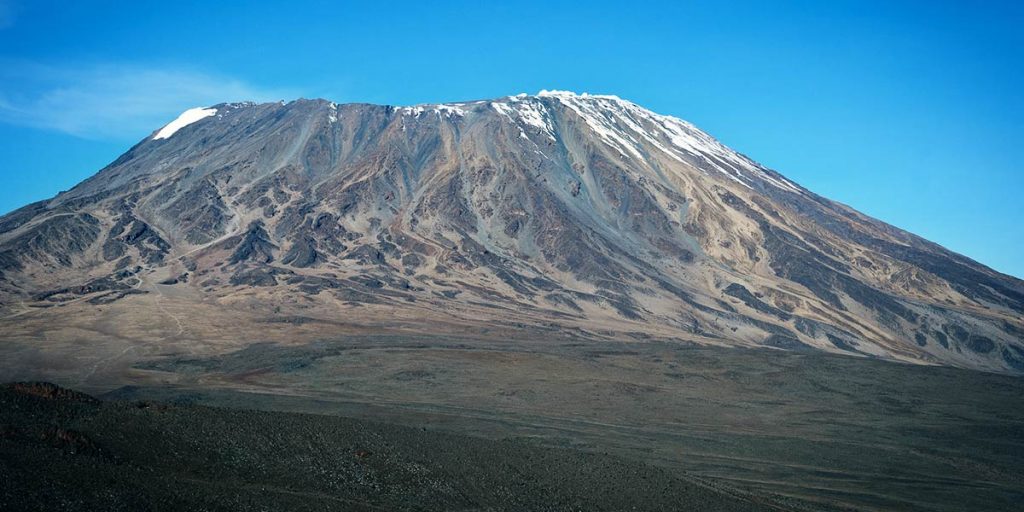
Climb to the summit on a five- to nine-day trek, or enjoy the mountain on a day hike through its rainforest. On clear days, it can also be seen from Amboseli, Arusha and parts of the northern parks.
Most safaris include a full day on the crater floor, descending in the early morning. Nights are spent on the crater rim or in the nearby Karatu highlands.
The herds move all year, so your timing decides what you’ll see, from calving in the south (January to March) to river crossings in the north (July to October).
Explore on a guided walking tour, visit the Old Fort and the markets, and join the evening food market at Forodhani Gardens.
Easily visited on the road between the Ngorongoro Crater and the Serengeti, with a small museum explaining its world-famous discoveries.
A classic 10- to 14-day journey can take in all three natural wonders plus Stone Town: climb Kilimanjaro or take a day hike, go on safari through the Serengeti and the Ngorongoro Crater, then fly to Zanzibar to explore Stone Town and relax on the beach.

Tourism helps fund the protection of these places through park fees and supports local communities. Travelling responsibly, with respect for wildlife, cultures and the environment, helps keep them wonderful for future generations.
They are Mount Kilimanjaro, the Ngorongoro Crater, the Serengeti Migration, the Red Sea Reef, the Sahara Desert, the Okavango Delta and the Nile River. Three are in Tanzania.
Seven, including the Serengeti, the Ngorongoro Conservation Area, Kilimanjaro National Park and the Stone Town of Zanzibar.
Yes. A 10- to 14-day itinerary can combine Kilimanjaro, the Ngorongoro Crater and the Serengeti Migration.
It depends on what you want to see: calving from January to March, or river crossings from July to October.
Yes. Its history, architecture, markets and food make it a highlight of any trip to Zanzibar.
Many of Tanzania’s wonders were shaped by the same forces: the Great Rift Valley and the volcanoes that formed along it. Kilimanjaro, Mount Meru, the Ngorongoro Crater and Ol Doinyo Lengai all owe their existence to volcanic activity over millions of years. The fertile volcanic soils of the Serengeti’s short-grass plains, created by ash from the Ngorongoro highlands, are rich in minerals, which is one reason the wildebeest return every year to give birth there. The same landscapes preserved the fossils at Olduvai Gorge, which tell the story of our own ancestors. On a trip through northern Tanzania, you’re travelling through one of the most geologically and biologically remarkable regions on Earth.
Kilimanjaro is best climbed from January to early March and late June to October. The Ngorongoro Crater is rewarding all year. The Migration can be seen all year, with calving from January to March and river crossings from July to October. Stone Town is best enjoyed in the drier months, from June to October and December to February.
Want to see Tanzania’s wonders for yourself? Explore our safaris and climbs.