
Planning a safari, Kilimanjaro climb or Zanzibar holiday? Here’s what you need to know about entering Tanzania. Requirements can change, so always check the latest official information for your nationality before you travel.
Your passport should be valid for at least six months after your arrival date and have at least two blank pages for your visa and entry stamps.
Most visitors need a visa to enter Tanzania, including Zanzibar. You can usually:
Apply well in advance, as processing times can vary. Make sure you use the official government e-visa website.
You’ll need a yellow fever vaccination certificate if you’re arriving from, or have transited for a significant time through, a country with a risk of yellow fever. Keep the certificate with your passport.
Speak to your doctor or a travel clinic several weeks before your trip about recommended vaccinations and antimalarial medication. Malaria is present in many parts of Tanzania, including the safari parks and Zanzibar.
Comprehensive travel insurance with medical cover and emergency evacuation is strongly recommended. If you’re climbing Kilimanjaro, check that your policy covers trekking up to 6,000 metres.
The local currency is the Tanzanian shilling (TZS). US dollars are widely accepted for tourism services. Bring clean, recent banknotes, as older notes may be refused. Cards are accepted in many hotels, and ATMs are available in towns.
Apply several weeks before your trip, as processing can take time, especially in the busy season.
On arrival you’ll go through immigration, where your visa and passport are checked, and your fingerprints and photo may be taken. Keep your visa documents, return ticket and accommodation details handy. Your Licaon Safaris representative will meet you in the arrivals hall.
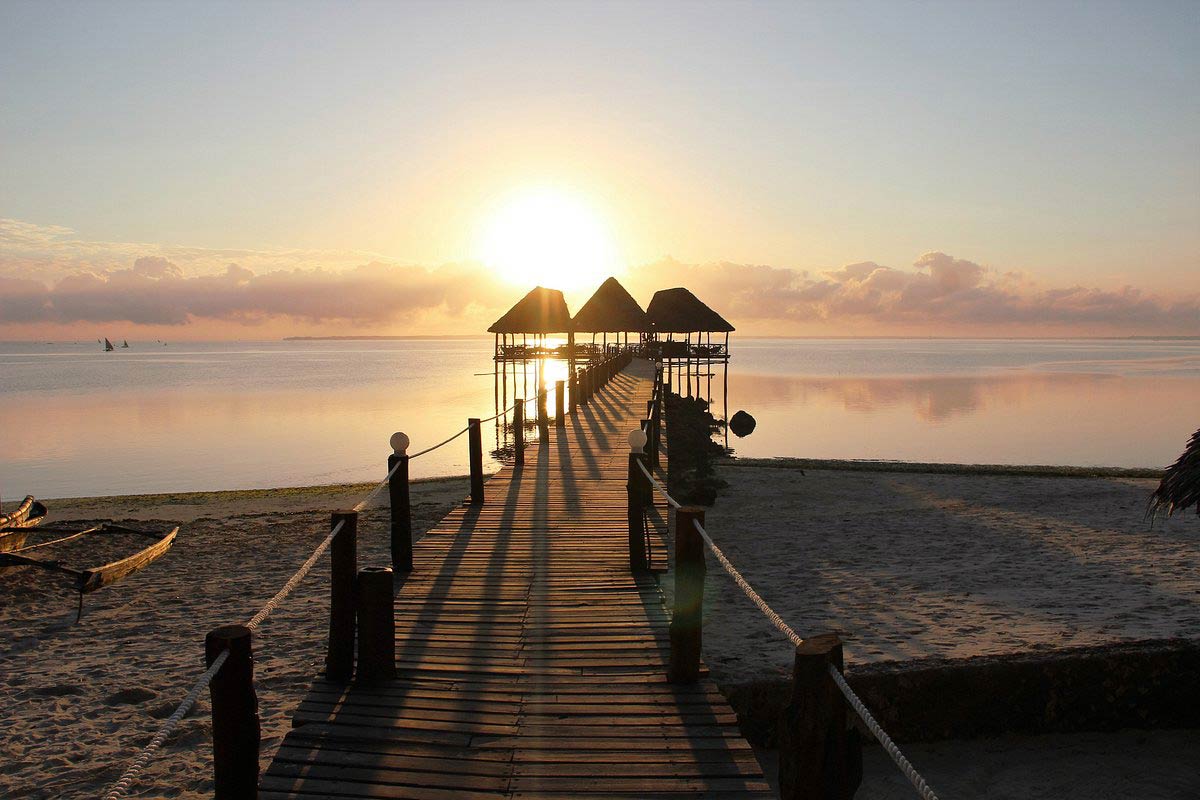
Zanzibar is part of Tanzania, so no separate visa is needed. However, Zanzibar may require visitors to hold travel insurance that covers their stay. Check the latest rules before you travel.
Children need their own passports and visas. If a child is travelling with only one parent, or with other adults, carry a signed consent letter and a copy of the birth certificate, as officials may ask for them.
A standard tourist visa is usually valid for up to 90 days. Check your visa grant for the exact terms.
Yes, at the main international airports and some land borders, but applying online in advance is quicker.
Only if you’re arriving from, or have transited through, a country with a risk of yellow fever.
It’s strongly recommended for all trips, and Zanzibar may require insurance cover. Kilimanjaro climbers need cover up to 6,000 metres.
Yes, US dollars are widely accepted for tourism services. Bring clean banknotes printed after 2009.
Visit your doctor or a travel clinic six to eight weeks before your trip. Besides the yellow fever certificate if required, commonly recommended vaccinations include hepatitis A, typhoid and tetanus, and your doctor may suggest others depending on your plans. Discuss antimalarial medication, which usually needs to be started before you arrive. If you’re climbing Kilimanjaro, ask your doctor about altitude medication too. Pack a small first-aid kit with any personal medication, plasters, rehydration salts, painkillers and insect repellent.
Tanzania is a welcoming, safe country for visitors. Use common sense in cities as you would anywhere: keep valuables out of sight, use registered taxis and avoid walking alone at night. Drone use is strictly regulated and requires permits, so leave your drone at home unless you’ve arranged permission in advance. Respect local customs, dress modestly away from beaches and resorts, and ask before photographing people.
Have questions about your trip? Contact our team and we’ll help you prepare.