
Tanzania’s safari parks fall into two main circuits: the famous northern circuit and the wilder southern circuit. Both offer extraordinary wildlife, but they feel very different. Here’s how to choose.
Parks: Serengeti, Ngorongoro Crater, Tarangire, Lake Manyara, Arusha National Park, Lake Natron and Lake Eyasi.
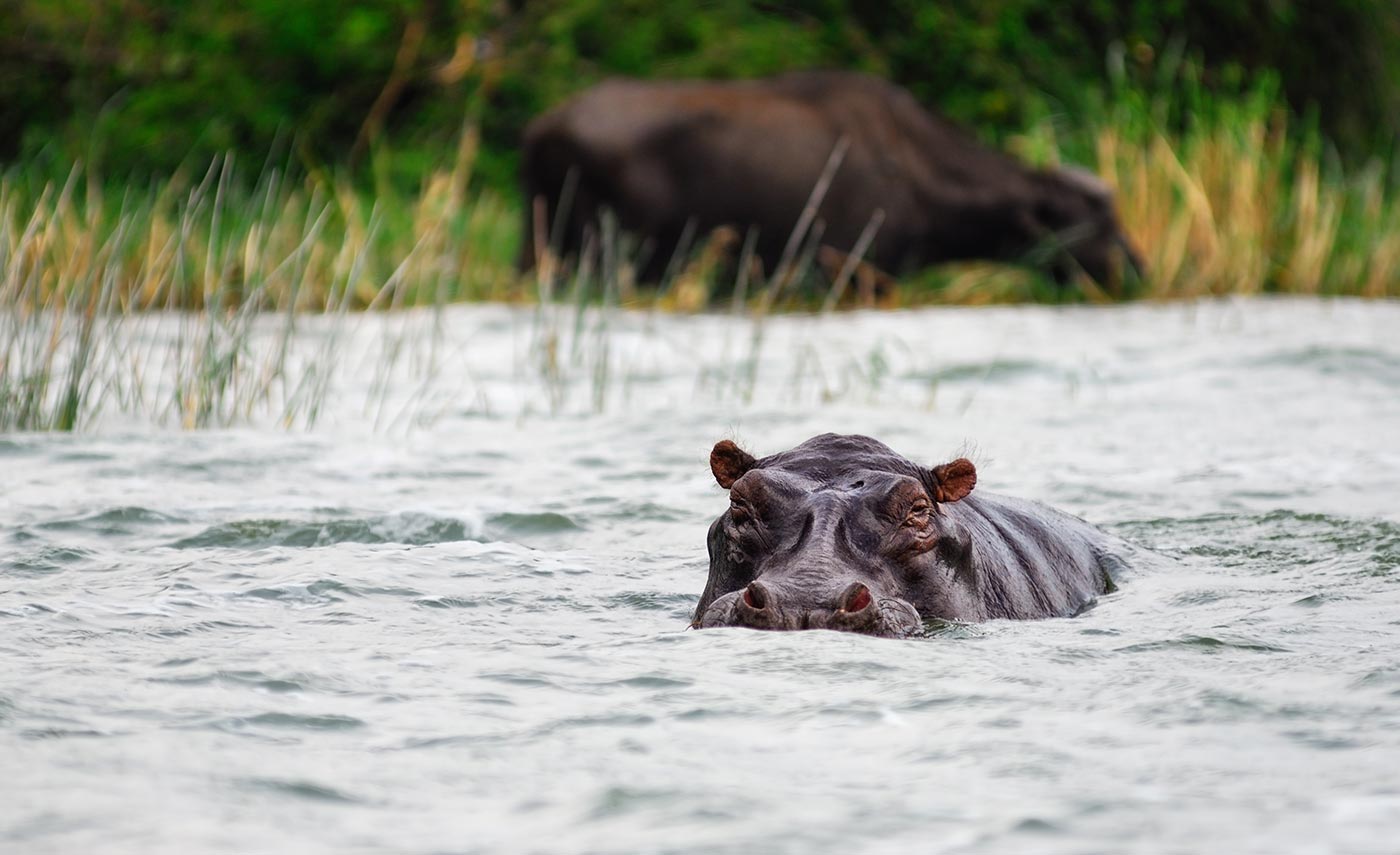
Parks: Nyerere (formerly part of the Selous), Ruaha, Mikumi and Udzungwa.
Yes. With light-aircraft flights, a northern-and-southern safari is very possible, and makes a wonderful longer journey.
The north is famous for the Great Migration, dense predator populations in the Serengeti, black rhinos in the Ngorongoro Crater, Tarangire’s elephants and Lake Manyara’s tree-climbing lions. The south is known for big lion prides, large elephant herds, African wild dogs, and species more typical of Southern Africa, such as sable and roan antelope and greater kudu.
The north offers the widest choice, from budget lodges and campsites to world-class luxury lodges and mobile camps. The south has fewer, generally smaller camps, many of them intimate tented camps in remote locations.
Northern safaris by road can be very good value, especially for groups. Southern safaris often involve light-aircraft flights and more remote camps, which can make them more expensive, although Mikumi is an affordable road-based option.
Arusha → Tarangire → Serengeti (two nights) → Ngorongoro Crater → Arusha.
Fly from Dar es Salaam or Zanzibar → Nyerere (three nights, with a boat safari) → Ruaha (three nights).
Start in the north for the Serengeti and Ngorongoro, then fly south to Ruaha or Nyerere for a wilder finale.
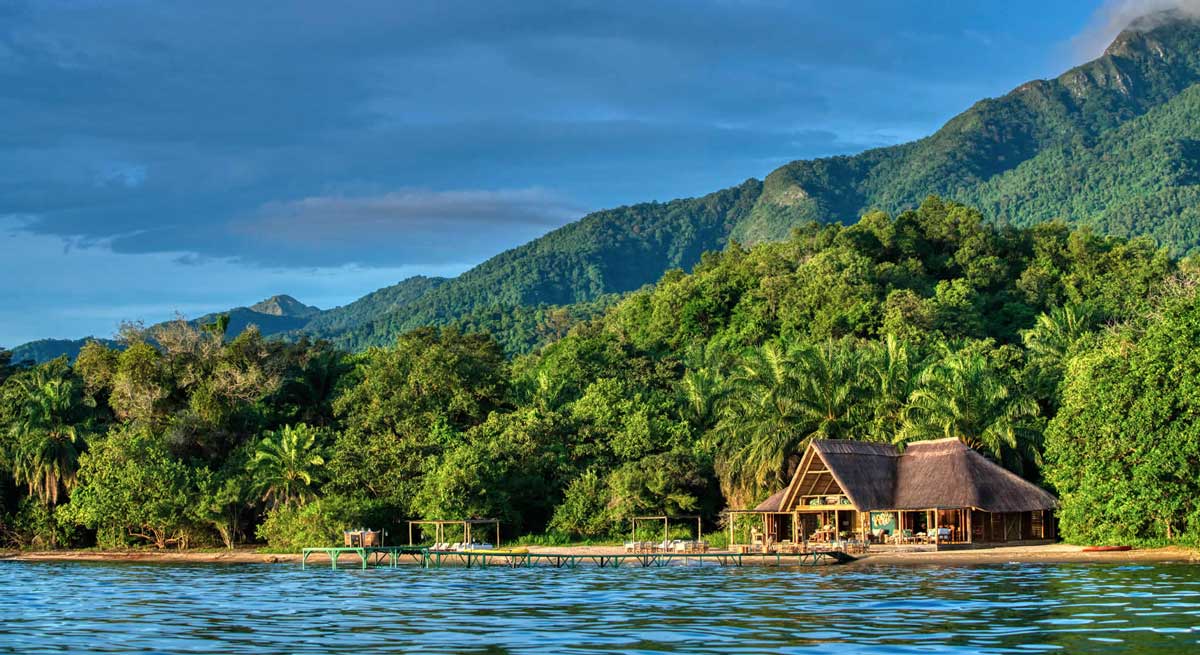
For the ultimate adventure, Tanzania’s western parks, Katavi, Mahale and Gombe, offer remote wilderness and chimpanzee tracking beside Lake Tanganyika. They’re usually reached by charter flight.
The northern circuit, for its easy access, abundant wildlife and iconic parks.
The southern circuit, where you’ll often have sightings to yourself.
Lions, leopards, elephants and buffalo are common, but rhinos are very rarely seen. For the Big Five, the northern circuit, especially the Ngorongoro Crater, is best.
It often is, because of flights and remote camps, but Mikumi offers an affordable road-based option.
Yes. Nyerere, Mikumi and Saadani are close to Zanzibar and Dar es Salaam, making them easy to combine with the beach.
A typical day on the northern circuit starts with an early game drive across open plains, stopping for lions on a kopje, elephants at a waterhole and herds stretching to the horizon, with a picnic lunch in the bush and an afternoon drive back to your lodge. You’ll share some sightings with other vehicles, especially in popular areas, but the density of wildlife is extraordinary.
A day on the southern circuit might begin with a morning walk with an armed ranger, followed by a boat safari past hippos and crocodiles on the Rufiji River, a siesta in camp and an afternoon game drive where you may not see another vehicle at all. It feels wilder, quieter and more adventurous.
If it’s your first safari, start with the north: the Serengeti and the Ngorongoro Crater are unforgettable. If you’ve been before, or you love wild, empty landscapes, try the south. And if you have the time, combine both for the complete Tanzanian safari experience.
Not sure which is right for you? Tell us what you’d like to see and we’ll design the perfect itinerary.