
Tanzania lies just south of the equator, so temperatures stay fairly steady all year. The seasons are defined by rainfall rather than heat. Knowing when the rains fall helps you choose the right time for a safari, a Kilimanjaro climb or a beach holiday.
The Serengeti, Ngorongoro, Tarangire and Lake Manyara sit at varying altitudes. Days are warm, but early mornings and evenings, especially on the Ngorongoro crater rim, can be cold. Bring a warm layer whatever the season.
Parks such as Ruaha, Nyerere, Katavi and Mahale have one long rainy season, roughly from November or December to April or May. The dry season, from June to October, is by far the best time to visit, and many camps close during the heaviest rains.
The best climbing months are January to early March and late June to October. The summit is cold all year, often well below freezing at night, while the lower slopes are warm and humid.

Zanzibar is warm and tropical all year. The best beach weather is from June to October and December to February. The long rains, from March to May, bring heavy showers.
On safari, daytime temperatures typically range from the mid-20s to around 30°C. Early mornings and evenings are cooler, especially in the highlands and on the Ngorongoro crater rim, where it can drop close to 10°C or below. On Zanzibar, it’s warm and humid all year. On Kilimanjaro, temperatures drop steadily with altitude, from warm and humid in the forest to well below freezing at the summit.
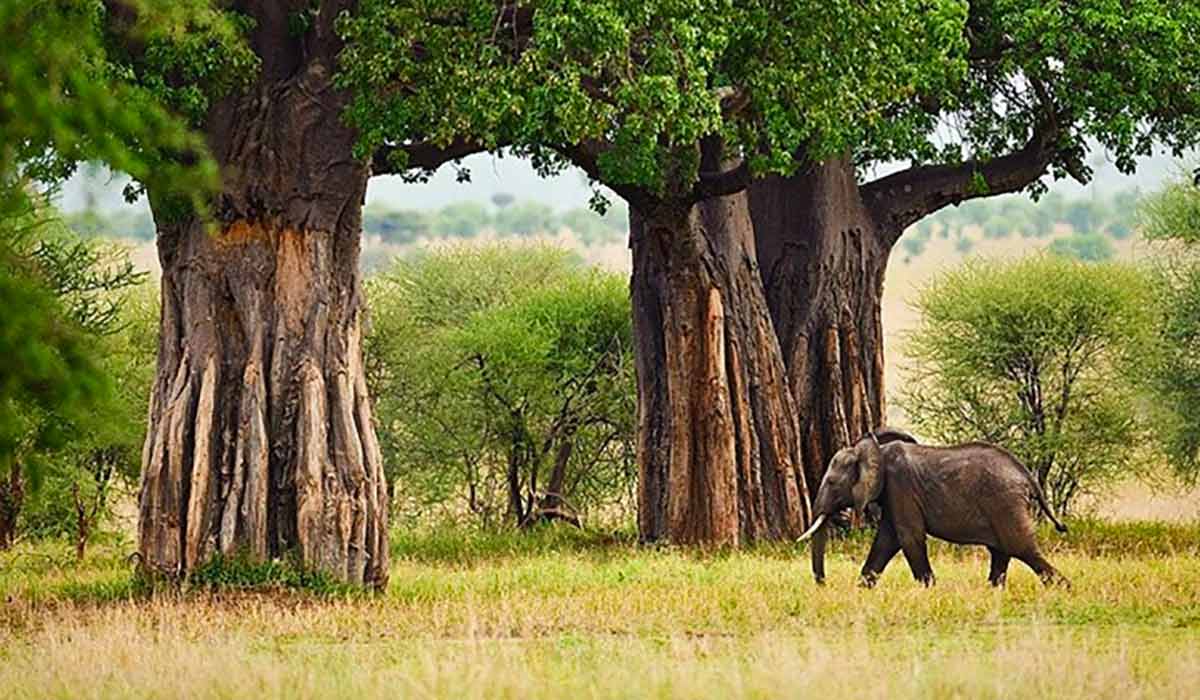
Travelling in the rainy months has real advantages: lush scenery, newborn animals, excellent birdwatching, dramatic skies, fewer vehicles and lower prices. Rain often falls in short afternoon showers, leaving mornings clear for game drives.
The long rains fall roughly from March to May and the short rains in November and December. The south and west have one long wet season, from about November to April.
It depends on your interests. June to October is best for classic game viewing, and January to February for the calving season.
Early mornings and evenings can be cool, especially in the highlands and on the crater rim, and Kilimanjaro’s summit is very cold.
Yes. Many parks remain open and beautiful, with lower prices and fewer visitors, although some remote camps close.
June to October and December to February offer the best beach weather.
For a safari: June to October offers the easiest game viewing, while January to March is ideal for the calving season. The green season is beautiful and quieter, with lower prices.
For Kilimanjaro: aim for January to early March or late June to October, and avoid April and May if you can.
For Zanzibar: June to October and December to February offer the most reliable sunshine.
For chimpanzee tracking: the dry season, from July to October, is best in Mahale; in Gombe, the wet season can bring chimps lower down the slopes, while the dry season makes trails easier.
Like much of East Africa, Tanzania has seen the timing and intensity of the rains become less predictable in recent years. Rains may start early or late, and dry seasons can include occasional showers. Your guides adapt daily plans to the conditions, so a little flexibility goes a long way.
There is no bad time to visit Tanzania. It depends on what you want to see. For classic game viewing, choose June to October; for calving, January to March; for fewer crowds and green landscapes, the rainy months. Ask us and we’ll help you choose.