
Watching the Great Migration is a once-in-a-lifetime experience. As more travellers come to see it, it’s important to do so in a way that respects the animals, the landscape and the communities who live alongside them. Here’s how to enjoy a safer, more responsible Migration safari.
Look for camps that use solar power, manage water carefully, minimise waste and employ local staff. Seasonal mobile camps follow the herds with a lighter footprint.
The Migration is a natural event and never runs to a fixed timetable. Be flexible and patient: waiting quietly at a river crossing often rewards you with an unforgettable scene, while chasing sightings leads to crowding.
Buy crafts directly from artisans, visit community-run cultural projects and ask before photographing people. Tourism can bring real benefits to local communities when it’s done respectfully.
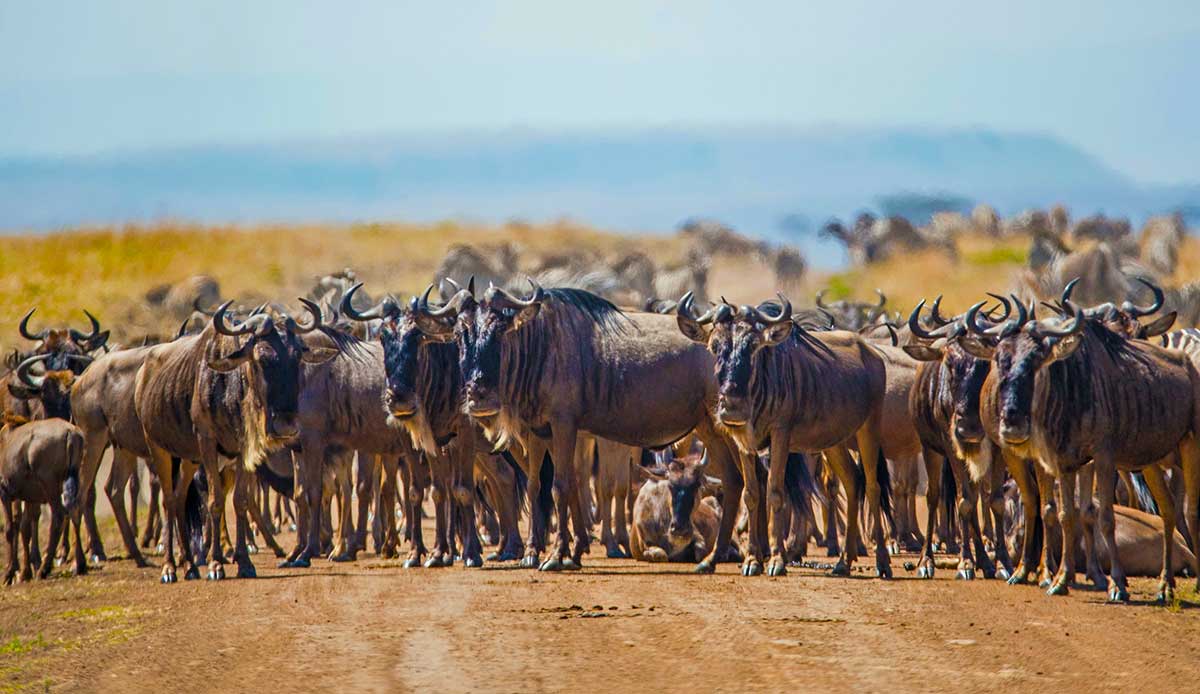
The Mara River crossings are among the most thrilling sights in nature, and among the most sensitive. When too many vehicles crowd the riverbank, the herds can be blocked or scattered, leading to more drownings and injuries. A responsible guide will:
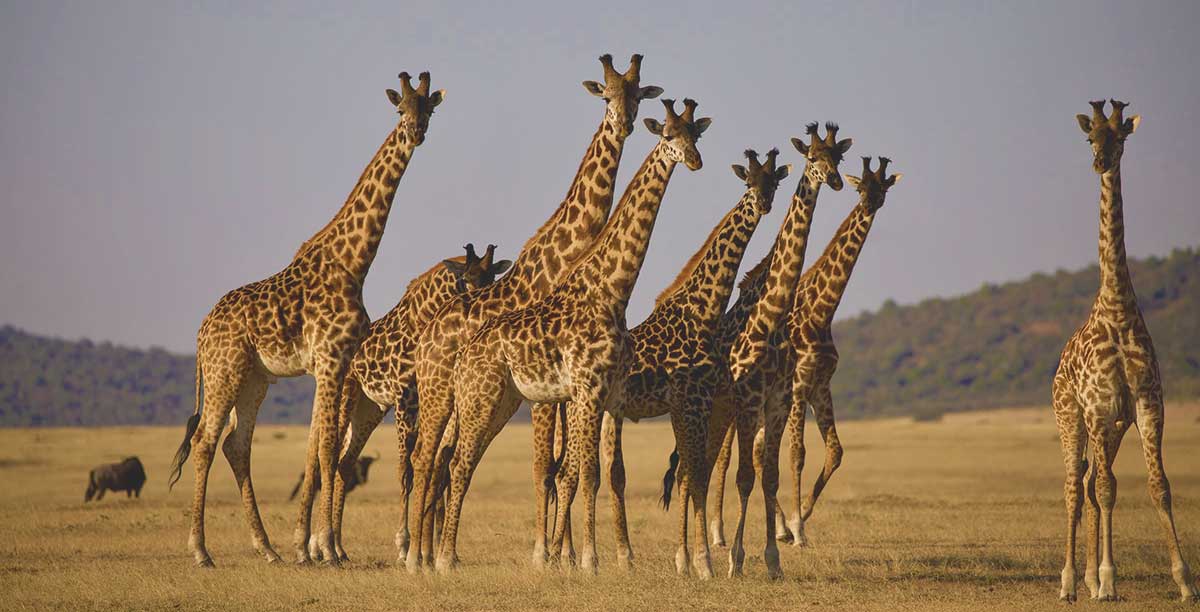
The Migration depends on a vast, connected ecosystem stretching from the Serengeti into Kenya’s Maasai Mara, including community lands used by the Maasai. Conservation here relies on cooperation between parks, communities and tourism. Visiting community conservancies and cultural projects helps show that wildlife brings real benefits to local people.
Yes, when done respectfully. Keeping distance and not blocking the herds lets the crossings happen naturally.
Many mobile and seasonal camps have a lighter footprint, using solar power and leaving little trace when they move.
Yes. Choose community-run visits where fees go directly to the village, and always ask before taking photos.
Travel with a responsible operator, stay longer in fewer places, avoid single-use plastics and follow park rules.
Tipping is customary. Many camps have a communal tip box for staff. We’ll send guidelines before your trip.
A responsible operator will be happy to answer these questions openly.
The Great Migration has continued for thousands of years, but it faces real pressures: growing human populations, fences, roads, climate change and, in busy areas, crowded sightings. Every traveller can help. By choosing responsible operators, respecting the animals and supporting local communities, you help ensure that future generations can witness this extraordinary spectacle too. The most memorable safari moments often come when you simply sit quietly and let nature unfold in front of you.
Plan a responsible Migration safari with us. See our Migration safaris.