
Kilimanjaro climbs come in a wide range of prices, from simple budget treks to luxury climbs with private toilet tents and extra crew. Whichever you choose, the mountain, the route and the summit are the same. The difference lies in comfort, service and the extras around the climb. Here’s how to decide.
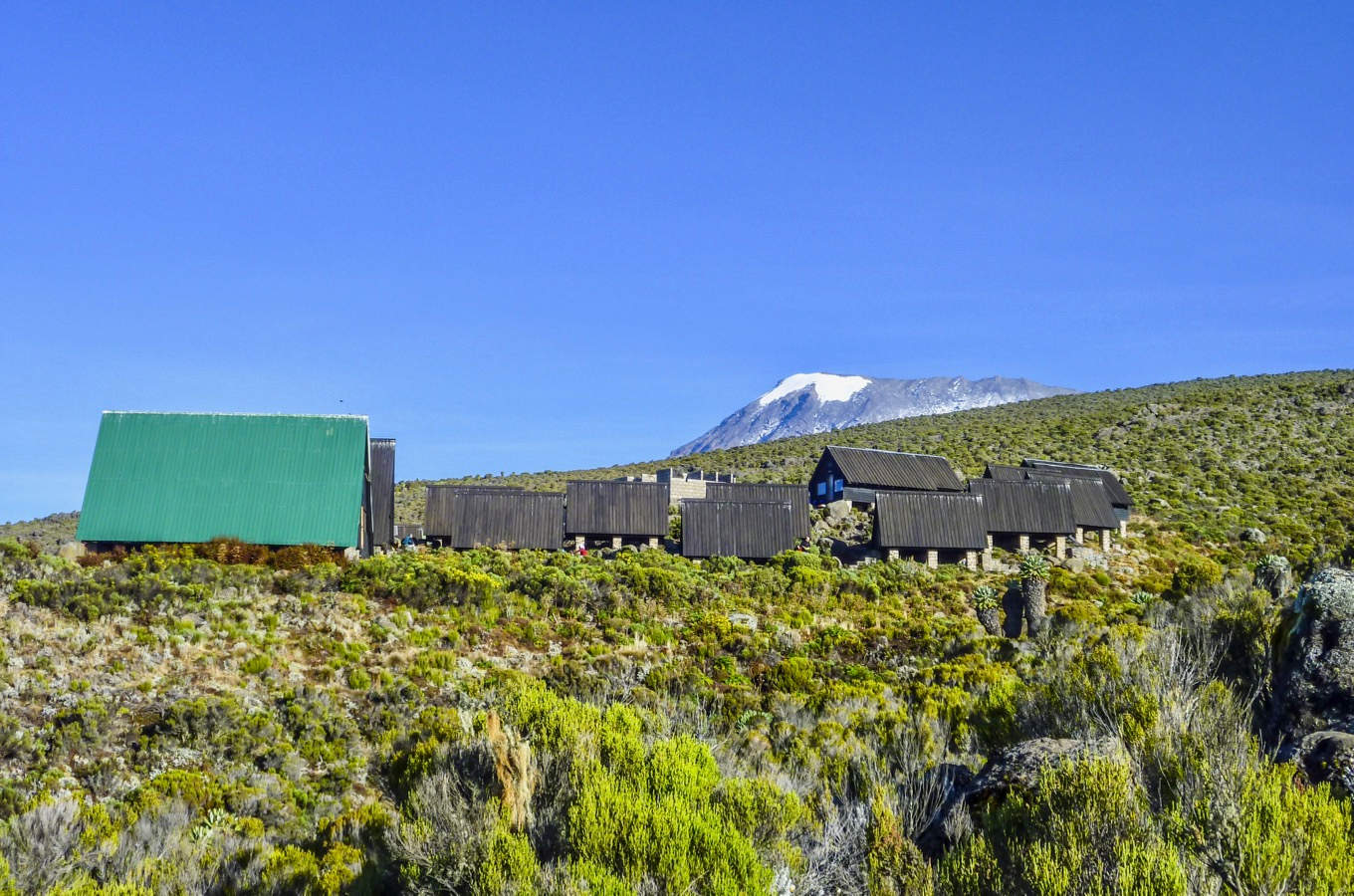
A budget climb covers the essentials well: licensed guides, porters and a cook, quality mountain tents, hearty meals, park fees and transfers. Tents may be shared and dining is simpler. It’s a great choice for travellers who want the Kilimanjaro experience without extras.
you’re comfortable camping, travelling on a tighter budget, or happy to put your money towards a longer itinerary, which improves your chances more than any luxury extra.
comfort helps you rest and recover, you’re celebrating a special occasion, or you’d like extra support and privacy on the mountain.
If your budget is limited, prioritise more days on the mountain over more comfort. A 7- or 8-day budget climb gives you a better chance of summiting than a 5-day luxury climb. Whatever level you choose, always check that your operator pays and equips its crew fairly.
Between budget and luxury sits the mid-range option, which many climbers find the best balance: comfortable tents, good meals, a private toilet tent on some itineraries and better hotels before and after the climb, at a moderate price.
Budget climbs use quality shared mountain tents with standard mats. Luxury climbs offer larger tents, often with more headroom, thicker mattresses and more space for your gear.
Both provide hearty, filling meals. Luxury climbs add more variety, fresh ingredients and extras such as fresh fruit and special treats on summit day.
Budget climbers use the public long-drop toilets at each camp. A private toilet tent, standard on luxury climbs, is one of the most appreciated upgrades.
Luxury climbs usually have more guides per climber, giving more flexibility if someone needs to walk at a different pace or descend.
For most climbers, the best choice is a longer route at a comfortable mid-range level, with a private toilet tent if your budget allows. Put your money into time on the mountain first and comfort second.
Only slightly, through better rest and support. Itinerary length and acclimatisation matter far more.
Yes, with a responsible operator. Safety should never depend on the price level. Always ask about guide qualifications and safety procedures.
A small, private tent with a portable toilet, set up at each camp and carried by an extra porter.
Yes. Many climbers choose a budget or mid-range climb with selected upgrades, such as a private toilet tent or a better hotel.
Luxury options are available on most camping routes. The Marangu Route uses huts, so upgrades are more limited.

Budget suits backpackers, students, experienced campers and anyone who’d rather spend on extra days or a safari afterwards. Mid-range suits most first-time climbers who want a comfortable experience without paying for luxury. Luxury suits honeymooners, travellers celebrating a milestone, older climbers who value comfort and rest, and anyone who wants the most personal service on the mountain.
Whatever you pay, the mountain asks the same of you. You’ll walk the same trails, face the same altitude and set off on the same cold summit night. The difference between reaching the top and turning back rarely comes down to the thickness of your mattress. It comes down to time, acclimatisation, determination and the skill of your guides. That’s why we always encourage climbers to choose a longer itinerary first and add comfort second.
Licaon Safaris offers Kilimanjaro climbs for every budget. Tell us your preferences and we’ll suggest the right option.