
Lake Manyara National Park, situated in northern Tanzania, is a captivating gem renowned for its diverse ecosystems and breathtaking scenery. The park, covering approximately 330 square kilometers, is nestled between the Great Rift Valley’s escarpment and the soda-rich waters of Lake Manyara. Characterized by a remarkable variety of habitats, including dense woodlands, open savannahs, and the alkaline lake itself, Lake Manyara National Park provides a microcosm of East African biodiversity. The park is especially celebrated for its prolific birdlife, hosting a vast array of species, from pink-hued flamingos along the lake’s shores to majestic raptors such as fish eagles and storks. Apart from its avian wonders, the park is home to a diverse mammalian population, including elephants, buffaloes, giraffes, and the iconic tree-climbing lions, a unique behavior observed in some prides within the park. Visitors to Lake Manyara can embark on game drives, exploring the various landscapes and encountering the rich wildlife that inhabits the region. The dramatic contrast between the dense groundwater forest and the expansive lake shores adds to the park’s allure, creating a picturesque setting for wildlife observation. Additionally, the park’s proximity to the Ngorongoro Crater and Serengeti National Park makes it a valuable component of Tanzania’s northern safari circuit, offering a compact yet rewarding safari experience with a unique blend of ecosystems and wildlife encounters.


To reach Lake Manyara National Park by car, start from the town of Arusha, a common base for safaris in northern Tanzania. Head west on the A104 road, the main highway connecting Arusha to the western regions. After approximately 2 to 3 hours of driving, you’ll reach the town of Mto wa Mbu, situated near the entrance to Lake Manyara National Park. Alternatively, if you’re in Karatu, a town near the Ngorongoro Crater, head east on the B144 road. After about 1 to 1.5 hours of driving, you’ll also arrive at Mto wa Mbu. From there, follow the signs to the entrance of Lake Manyara National Park. Always check current road conditions and use a reliable map or navigation system. The journey not only provides practical access to the park but also offers glimpses of the scenic beauty of Tanzania’s rural landscapes. Once inside the park, you can enjoy diverse ecosystems and abundant wildlife, including the famous tree-climbing lions and a variety of bird species along the shores of Lake Manyara.
To reach Lake Manyara National Park by air, start by flying into Kilimanjaro International Airport (JRO), the main international airport serving northern Tanzania. From Kilimanjaro, take a domestic flight to Lake Manyara Airstrip, the nearest airstrip to the park. Alternatively, you can fly into Arusha Airport (ARK) and then connect to Lake Manyara Airstrip through a domestic flight. Once you land at Lake Manyara Airstrip, which is the closest airstrip to the park, ground transportation can be arranged to take you to the entrance of Lake Manyara National Park. This can be organized through your safari operator or accommodations. It’s essential to coordinate your flights, ground transportation, and safari plans with your chosen operator or accommodation in advance. Many safari packages include these logistical arrangements, providing a convenient and efficient way to access Lake Manyara National Park. Always check flight schedules, airstrip availability, and transportation options before planning your trip.
Explore popular animals that easy found on this world-class destinations
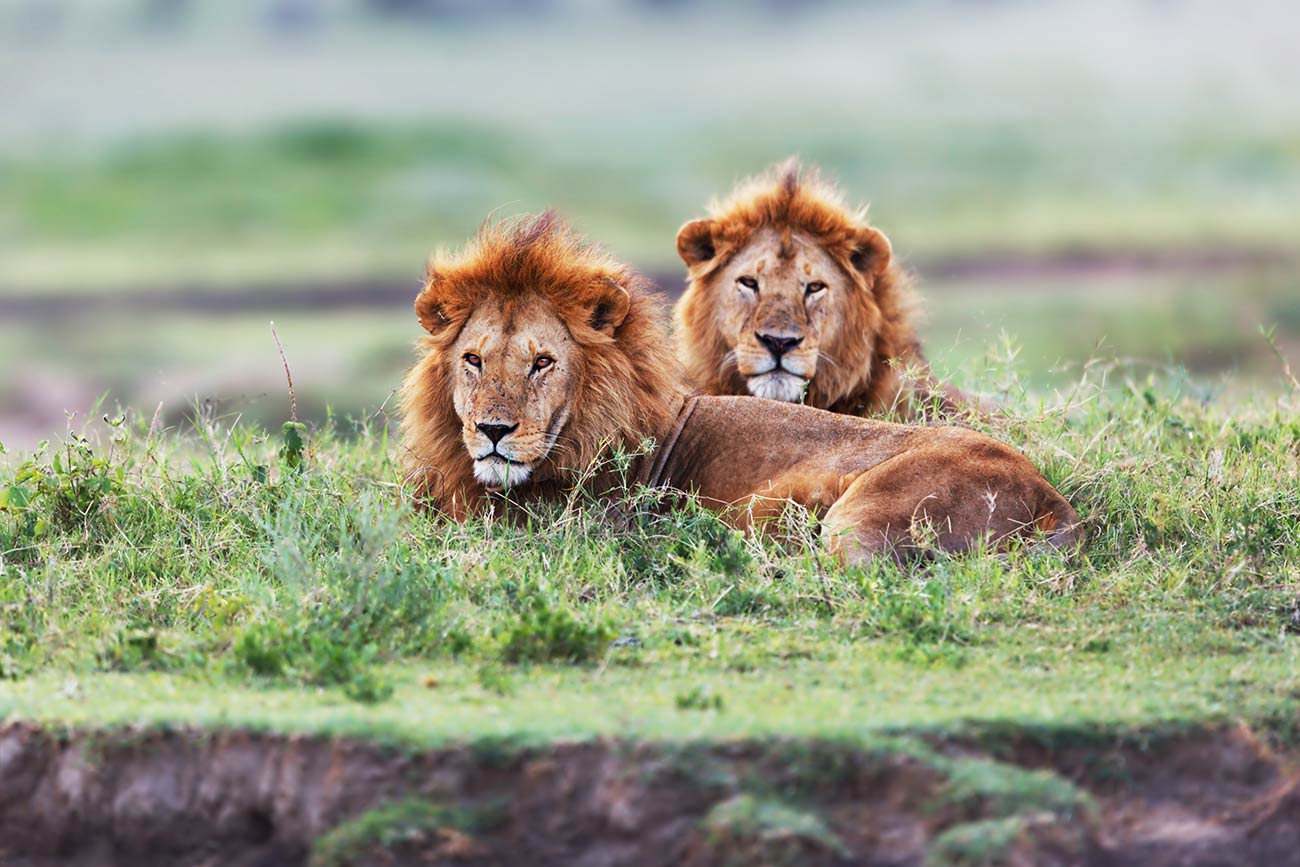
Panthera leo
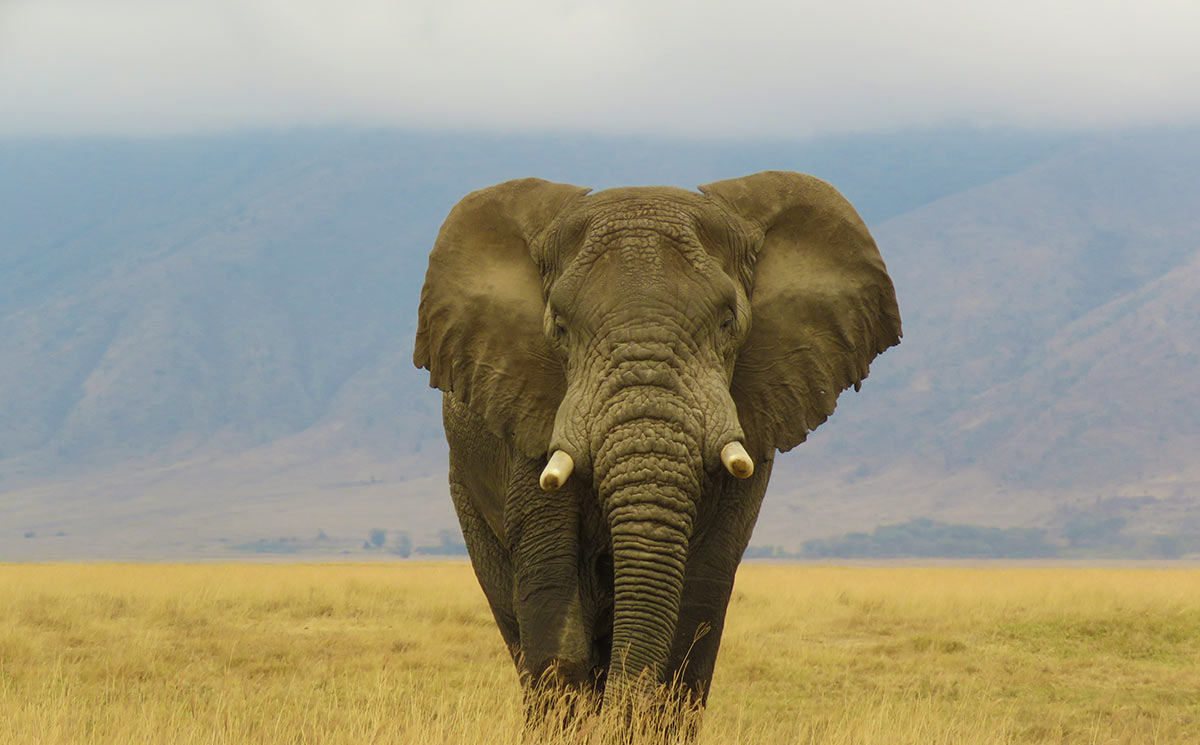
Loxodonta africana

Syncerus caffer
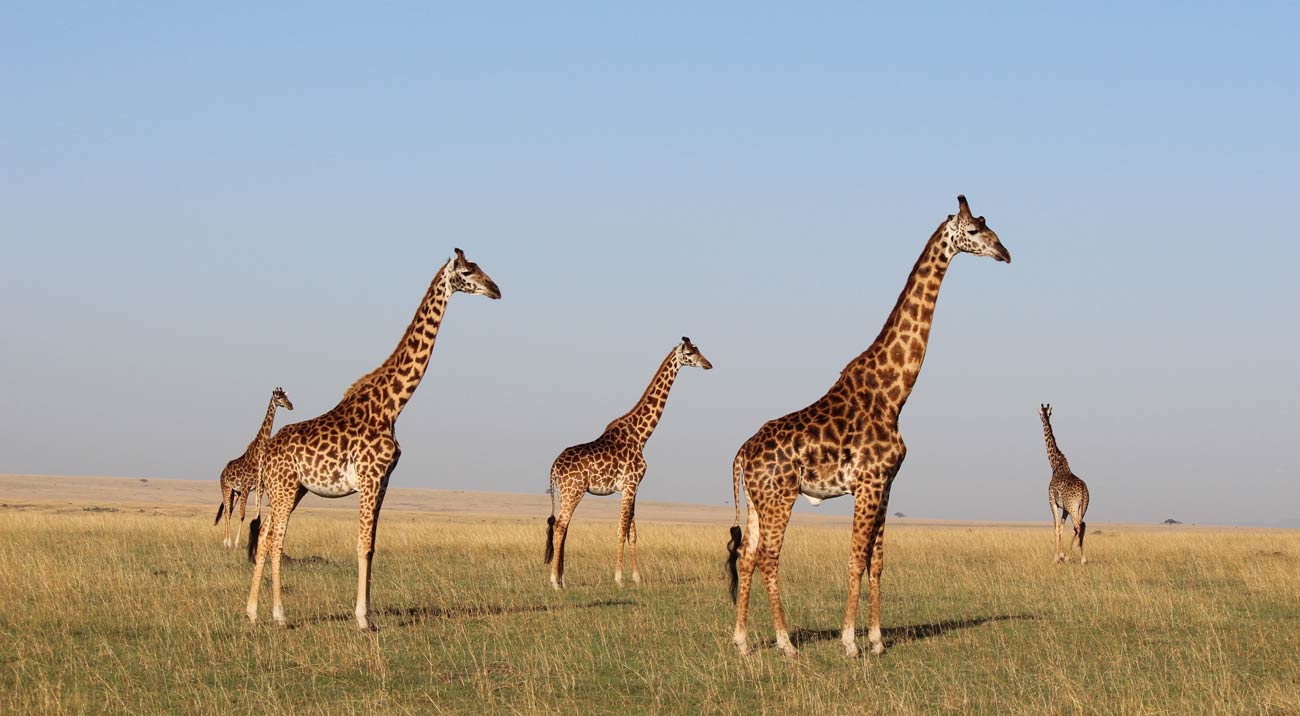
Giraffa tippelskirchi
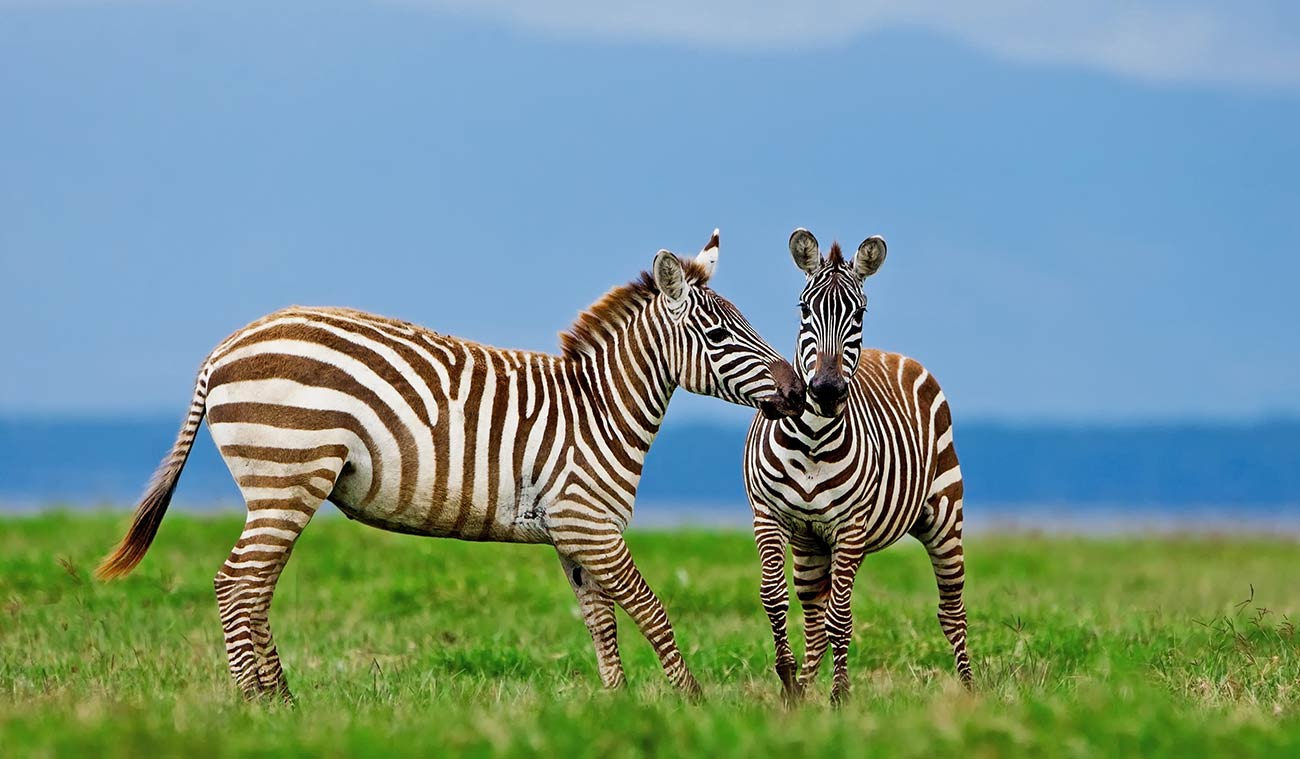
Equus quagga

Hippopotamus amphibius
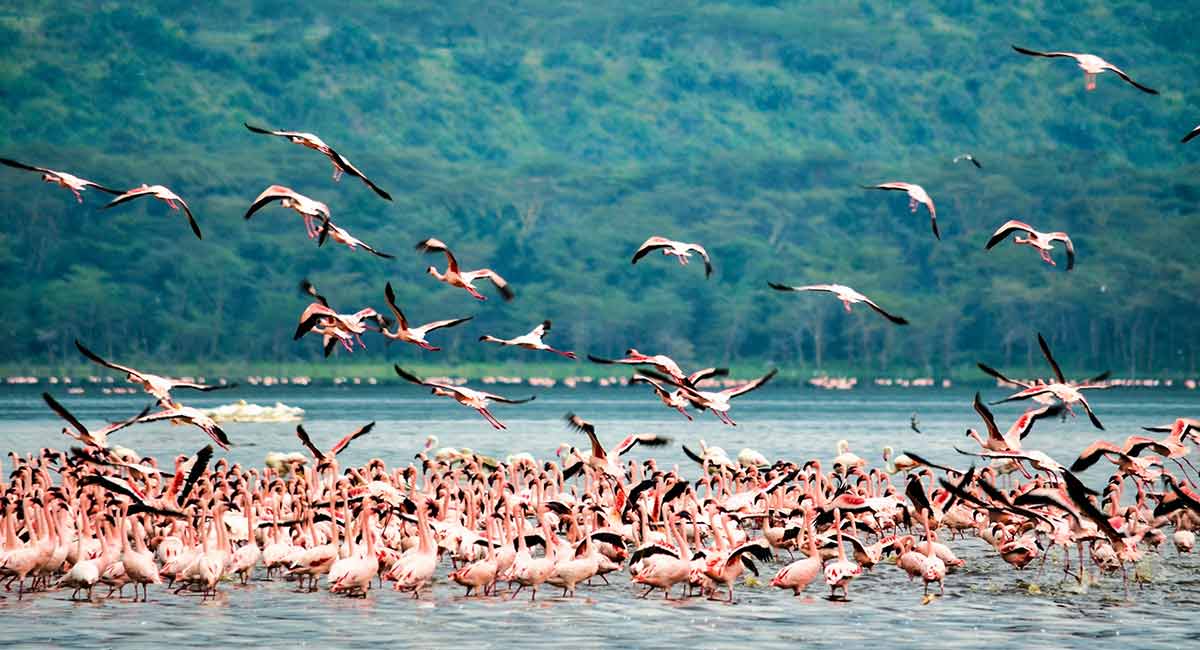
Phoeniconaias minor
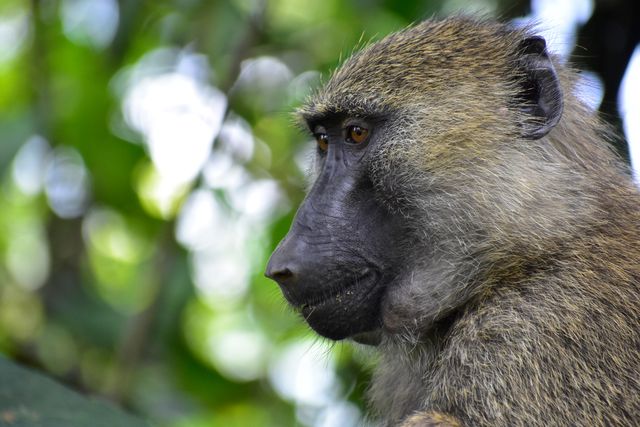
Papio anubis
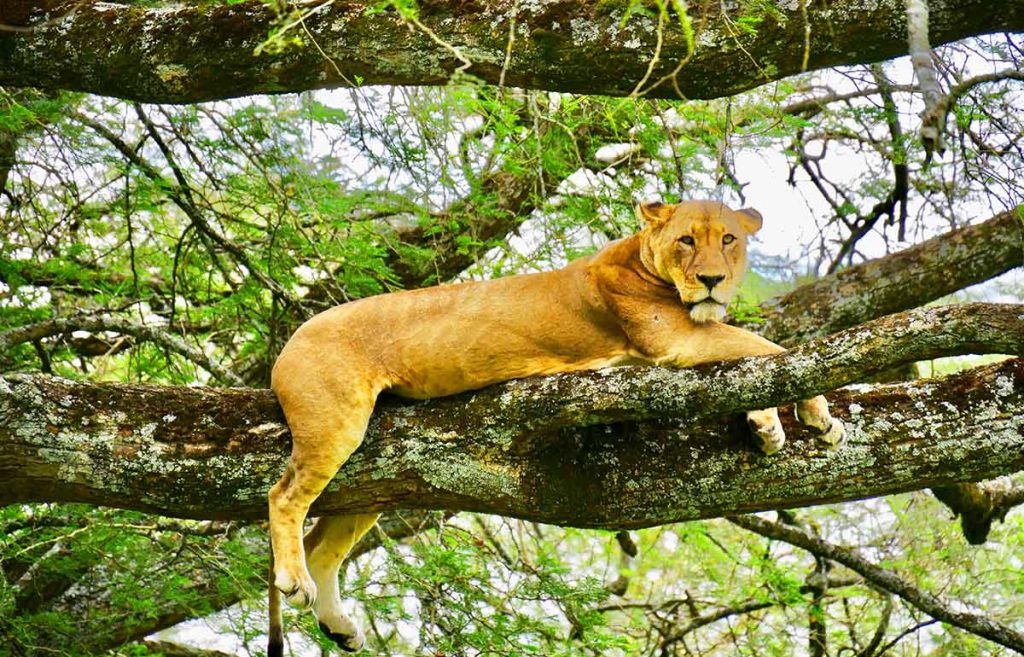
In a compact park you pass from lush groundwater forest to acacia woodland and open lakeshore, with large baboon troops, elephants, giraffe, buffalo and the park's famous tree-climbing lions.
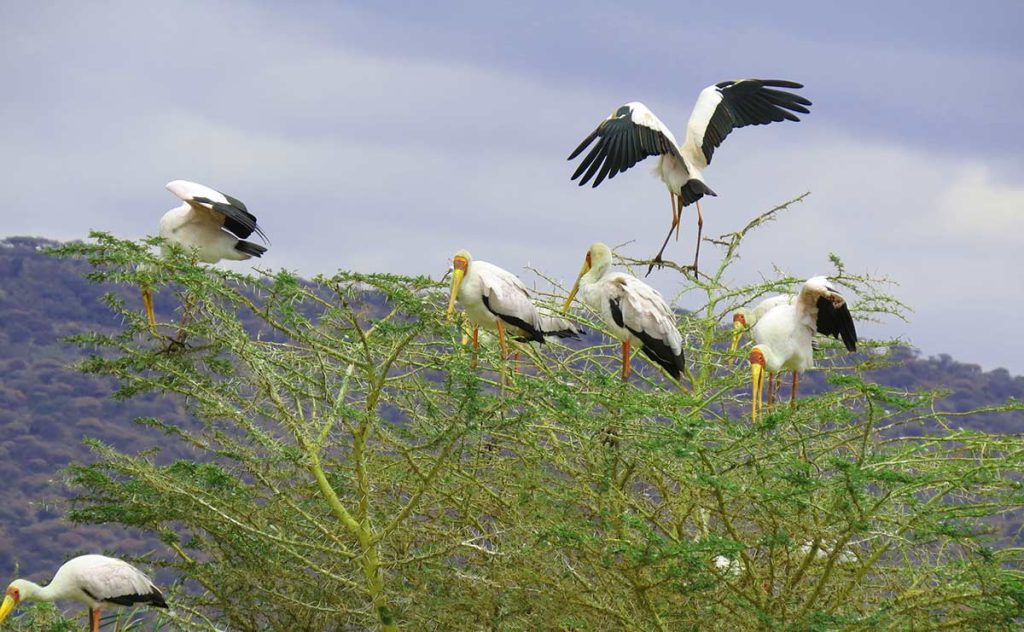
More than 400 bird species live in the park, from pink flamingos and pelicans on the lake to crowned hornbills, silvery-cheeked hornbills and fish eagles in the forest.
A suspended walkway winds through the forest canopy, giving a bird's-eye view of the monkeys, birds and butterflies that live high above the forest floor.
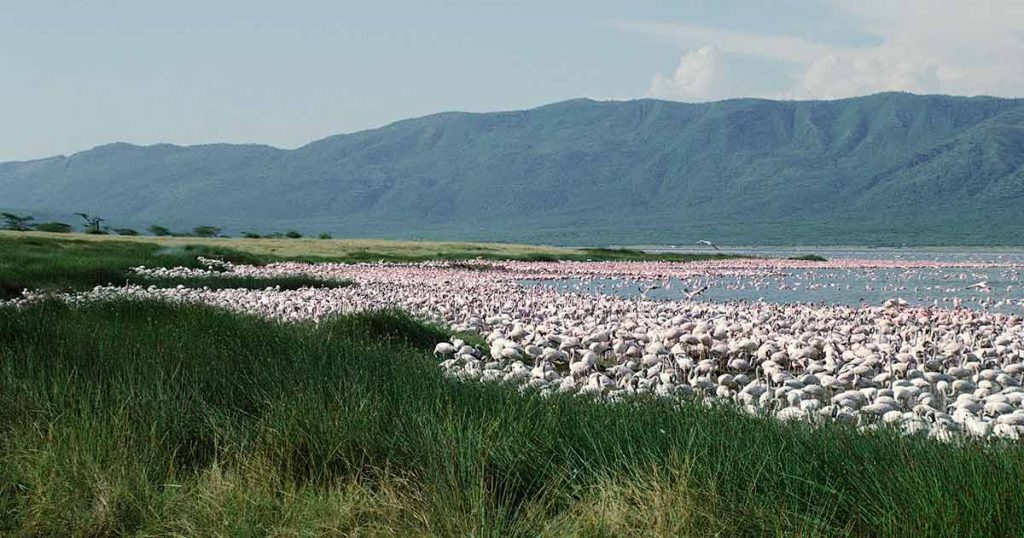
When the water level allows, canoe trips on Lake Manyara bring you quietly close to flamingos, pelicans and hippos along the shoreline.
The lively village of Mto wa Mbu, at the park gate, is home to over 100 ethnic groups. Walk or cycle through its banana plantations, local market and farms, and taste traditional food and banana beer.
Embarking on a safari to Lake Manyara National Park during the dry season, from June to October, promises an optimal wildlife experience amidst favorable weather conditions. Characterized by minimal rainfall, this season unveils clearer landscapes, making it easier to spot the diverse array of wildlife that calls the park home. From the renowned tree-climbing lions to majestic elephants, giraffes, and vibrant birdlife, the dry season provides excellent visibility for wildlife enthusiasts. The reduced vegetation during this time enhances the chances of wildlife sightings, creating an ideal setting for immersive game drives along the shores of the lake and through the park’s diverse ecosystems. The migration of large herbivores adds to the spectacle, making the dry season a prime opportunity to witness the dynamic and thriving biodiversity of Lake Manyara. With comfortable temperatures and clear skies, visitors can relish the beauty of this Tanzanian gem while enjoying an unforgettable safari experience.
Embarking on a visit to Lake Manyara National Park during the heavy rain season, typically from March to May, provides a unique and captivating experience amidst the lush and rejuvenated landscapes. While the rains bring occasional challenges, such as muddy trails, they also transform the park into a verdant paradise. The vegetation flourishes, and the surroundings burst with vibrant colors, creating a picturesque backdrop for wildlife enthusiasts. During this season, the park is less crowded, allowing for a more intimate safari experience. The heavy rain season is characterized by refreshing showers and mist-shrouded forests, enhancing the overall ambiance of the park. While wildlife may be more dispersed, the verdant scenery and the opportunity to witness the natural beauty of Lake Manyara in its most lush state make this period a captivating choice for those seeking a more tranquil and serene safari adventure.
Embarking on a visit to Lake Manyara National Park during the short rain season, typically from November to December, offers a unique and enchanting safari experience. While the rainfall is lighter compared to the heavy rain season, the park becomes a vibrant tapestry of lush greenery and blooming vegetation. The shorter rain spells contribute to the park’s revitalized ecosystem, creating a picturesque setting for wildlife enthusiasts. During this season, the landscapes are adorned with fresh foliage, and the air is filled with the scent of the rejuvenated flora. The shorter rain season provides a quieter and more serene ambiance, with fewer visitors on the trails, allowing for a more intimate connection with the natural surroundings. While occasional showers may occur, the opportunity to witness Lake Manyara National Park in a state of renewal, with its vibrant colors and refreshed landscapes, makes the short rain season a captivating choice for those seeking a unique and tranquil safari adventure.
Popular experience in the Serengeti National Park
There are no results matching your search
Popular experience in the Serengeti National Park
Best time: All year round
Destinations: Arusha, Lake Manyara, Ngorongoro Crater, Serengeti, Tarangire, Zanzibar
Best time: January, February, March, December
Destinations: Arusha, Ngorongoro Crater, Serengeti, Tarangire
Best time: All year round
Destinations: Arusha, Ngorongoro Crater, Serengeti, Tarangire
Best time: All year round
Destinations: Lake Manyara, Ngorongoro Crater, Serengeti, Tarangire
Best time: All year round
Destinations: Lake Eyasi, Ngorongoro Crater, Serengeti, Tarangire
Best time: All year round
Destinations: Arusha, Ngorongoro Crater, Serengeti
Best time: All year round
Destinations: Lake Manyara, Materuni Waterfalls, Mkomazi, Tarangire
Best time: All year round
Destinations: Kilimanjaro, Ngorongoro Crater, Serengeti, Tarangire
There are no results matching your search
Popular experience in the Serengeti National Park
For big game, visit in the dry season, from June to October, when animals gather near the lake and the groundwater forest. For birdwatching and flamingos, the wet season from November to April is best, when migratory birds arrive and the landscape turns green. The park is compact and open all year, making it a good stop at any time.
Lake Manyara is best known for its tree-climbing lions and its large troops of olive baboons. It also has elephants, buffalo, giraffes, zebras, wildebeest, impalas, hippos and blue monkeys in the groundwater forest. More than 400 bird species live here, from pelicans and flamingos on the lake to hornbills in the forest.
Yes. Lake Manyara often hosts thousands of flamingos, which gather in the shallow alkaline water and turn the shoreline pink. Their numbers vary with water levels and the season, and they are usually most abundant during the wetter months. Pelicans, storks and many other waterbirds can be seen along the shore as well.
Lake Manyara is famous for its tree-climbing lions, which rest on the branches of acacia and mahogany trees, possibly to escape insects or catch a breeze. Sightings are never guaranteed, as the lions move around the park, but experienced guides know their favourite trees and give you the best chance of spotting them.
Besides game drives through the forest and along the lakeshore, you can walk the treetop canopy walkway, go birdwatching, enjoy a picnic at a scenic viewpoint, canoe on the lake when water levels allow, and visit the nearby village of Mto wa Mbu for a cultural walk or bicycle tour. Some operators also offer night game drives in the park.
The park gate is about 125 km west of Arusha, around two hours on a good tarmac road through Mto wa Mbu village at the foot of the Rift Valley escarpment. Because it lies on the main road to Ngorongoro and the Serengeti, Lake Manyara fits easily into any northern circuit itinerary.
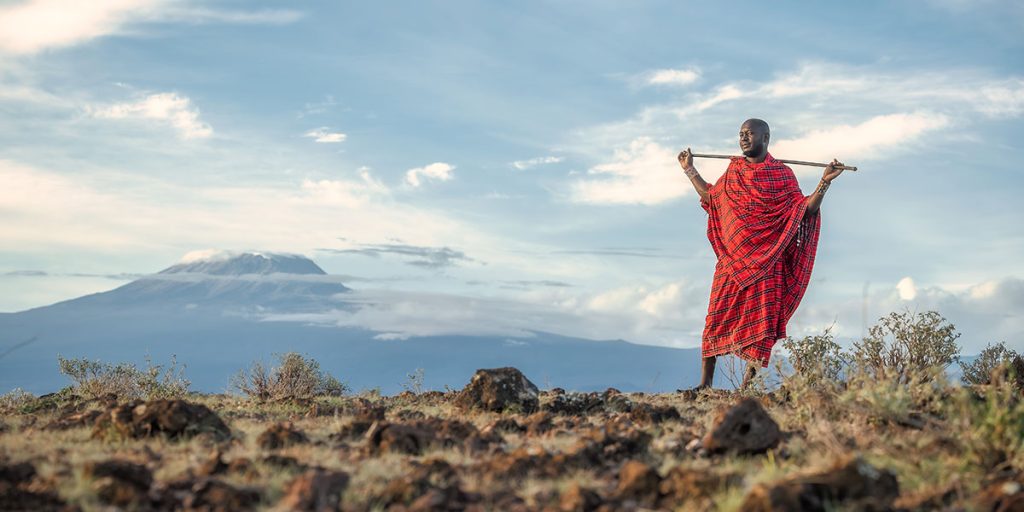
Yes. Mto wa Mbu, right at the park gate, is home to people from more than 100 ethnic groups. A guided walk or bicycle tour takes you through banana plantations, rice fields and the local market, with a chance to taste traditional food, try banana beer and meet local artisans. Visits to Maasai communities can also be arranged.
There are only a few options inside the park itself, but plenty of lodges and tented camps sit on the Rift Valley escarpment above the lake, many with spectacular views, as well as around Mto wa Mbu and Karatu. We choose the best location for your itinerary, whether it's a night before Ngorongoro or a stop on your way to Tarangire.
Yes, the park is open all year. Game viewing is best in the dry season, from June to October, while the wet season brings lush scenery, migratory birds and more flamingos. Some roads can become muddy after heavy rain, but our 4×4 vehicles and experienced guides are equipped for all conditions.
Self-driving is allowed, but a guided tour is highly recommended. Your guide knows where the tree-climbing lions and elephants are likely to be, can identify hundreds of bird species, and takes care of park fees and logistics. It also means you can relax and enjoy the scenery instead of navigating the park's tracks.
There are no results matching your search